
INSTITUTE FOR STANDARD AND QUALITY DEVELOPMENT STUDIES


In addition, hand dryers are classified as Group 2 electrical and electronic equipment under the scope of QCVN 4 on safety requirements for household and similar electrical appliances. Conducting conformity certification helps businesses demonstrate that their products have been assessed and comply with current technical regulations.
In public spaces such as shopping malls, hospitals, and office buildings, hand dryers are gradually becoming familiar equipment thanks to their convenience and hygiene advantages. However, as electrical devices that operate directly with users, safety and quality are always important concerns.
To ensure products meet technical requirements and comply with current regulations, conformity assessment and certification for hand dryers according to QCVN 4 is an issue many businesses are interested in during the manufacturing, importation, and distribution process.
Let’s explore the conformity certification process for hand dryers according to QCVN 4 with the ISSQ Quality Institute in the article below.
A hand dryer is an electrical hygiene device that uses electricity to dry hands after washing by blowing hot air or high-speed airflow. This equipment is usually wall-mounted and operates automatically through sensors, replacing traditional hand-drying methods such as paper towels or cloth towels.
In practice, hand dryers are increasingly used in areas with high user density such as public restrooms, shopping centers, offices, restaurants, hotels, and hospitals thanks to their convenience and ability to support hygiene maintenance.
Due to being electrical equipment that directly interacts with users in public environments, hand dryers need to be strictly controlled for safety and quality through conformity certification under QCVN 4 regarding the safety of electrical and electronic equipment.
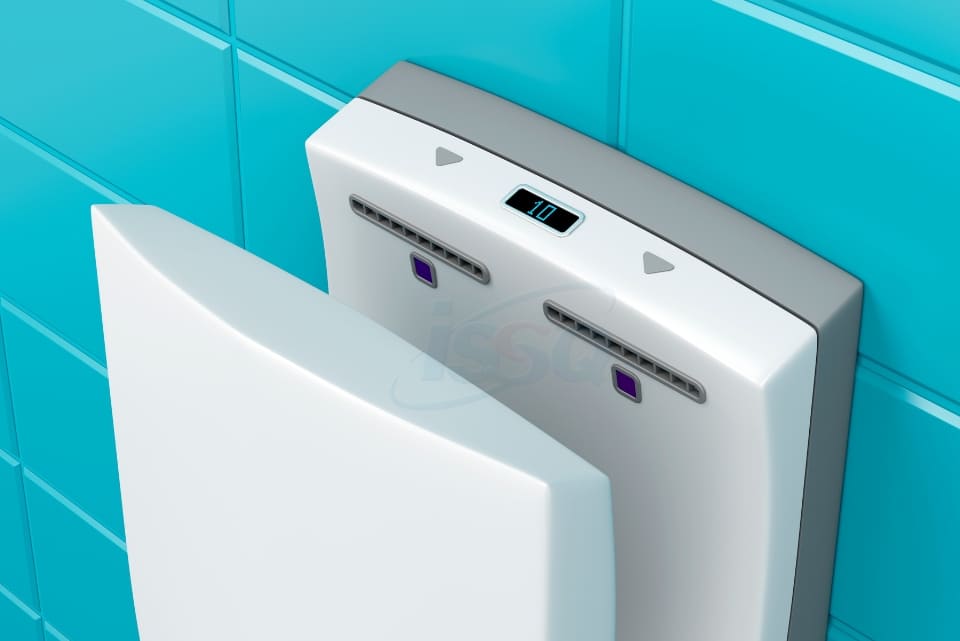
Hand dryers are electrical appliances commonly used in shopping centers, hospitals, schools, restaurants, hotels, and many other public areas. Because they operate continuously, directly interact with users, and are often installed in humid environments, these devices need strict control over electrical safety and quality before being placed on the market.
If products are not properly assessed and controlled, businesses may face many risks during business operations and actual use, such as:
In addition, hand dryers belong to Group 2 electrical and electronic equipment under the management scope of QCVN 4 concerning safety requirements for household and similar electrical appliances. Conducting conformity certification helps businesses prove that products have been assessed in accordance with current technical requirements.
Through conformity certification activities, businesses can also better control product quality from the manufacturing or import stage, thereby enhancing brand reputation and creating competitive advantages in the market.
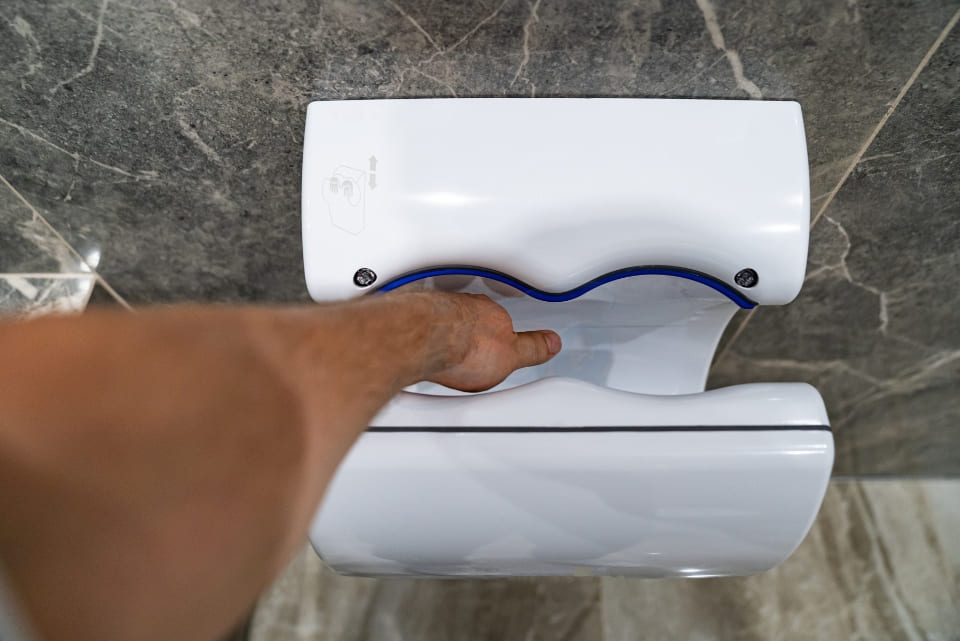
QCVN 4 is the National Technical Regulation specifying safety and management requirements for electrical and electronic equipment listed in the Appendix of this regulation.
The list of electrical and electronic equipment required to comply with labor safety requirements under QCVN 4 includes:
Among them, hand dryers must comply with TCVN 5699-2-23:2013 (IEC 60335-2-23:2012) Household and similar electrical appliances – Safety – Part 2-23: Particular requirements for appliances for skin or hair care.
Hand dryers are frequently used electrical devices in public restrooms, shopping malls, hospitals, schools, etc. Conformity certification helps control electrical safety factors such as leakage prevention, overheating, and fire risks, thereby protecting users during operation.
Products under the scope of QCVN 4 must undergo conformity certification and conformity declaration before being placed on the market. Compliance with these requirements helps businesses operate more smoothly in manufacturing, importing, and trading while minimizing risks related to market inspections.
Products that have obtained conformity certification and bear the CR mark demonstrate compliance with technical safety requirements. This helps customers, partners, and users feel more confident when choosing products.
Many supermarkets, shopping centers, construction projects, and public projects prioritize products with complete conformity documents and quality certificates. This creates advantages for businesses in expanding markets and improving competitiveness.
The conformity assessment process helps businesses better control product quality, thereby reducing technical errors, customer complaints, and warranty or product recall costs if incidents occur.
Implementing conformity certification for hand dryers according to QCVN 4 is not only a necessary requirement for electrical and electronic products but also a solution that helps businesses improve quality, brand reputation, and sustainable market development.
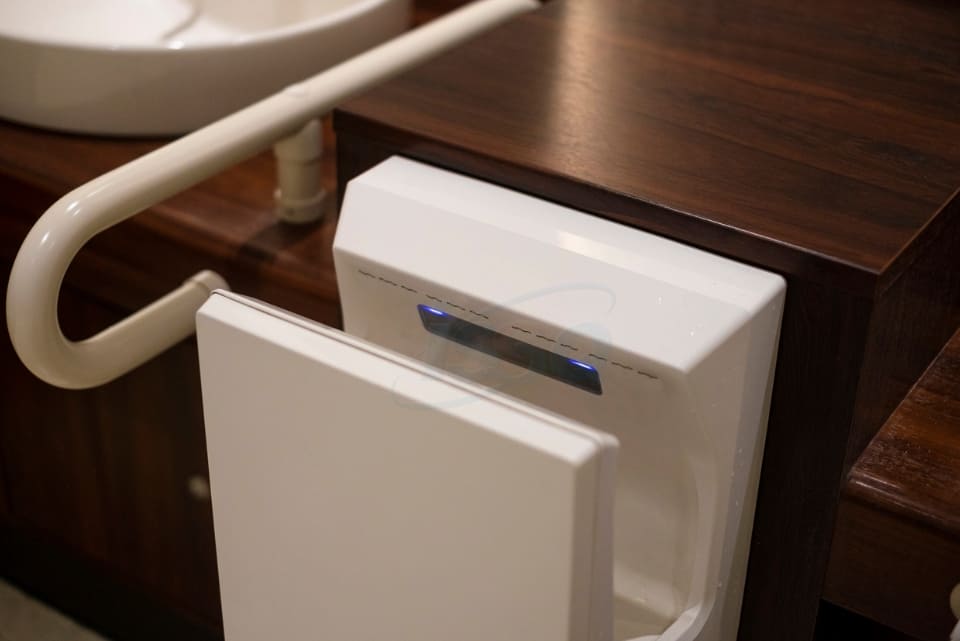
Depending on the certification method and product origin (domestically manufactured or imported), businesses need to prepare appropriate documents for the conformity certification process.
For hand dryers assessed under Method 5 “testing of typical samples combined with assessment of the production process and surveillance through testing samples taken at the production site or on the market together with production process assessment,” required documents include:
For hand dryers assessed under Method 7 “testing and assessment of batches of products and goods,” documentation includes:
Required documents include:
Preparing complete documentation from the beginning helps the conformity certification process proceed smoothly, saves processing time, and minimizes issues during document appraisal.
To legally distribute hand dryers on the market, businesses need to carry out conformity certification according to QCVN 4 requirements for electrical and electronic equipment.
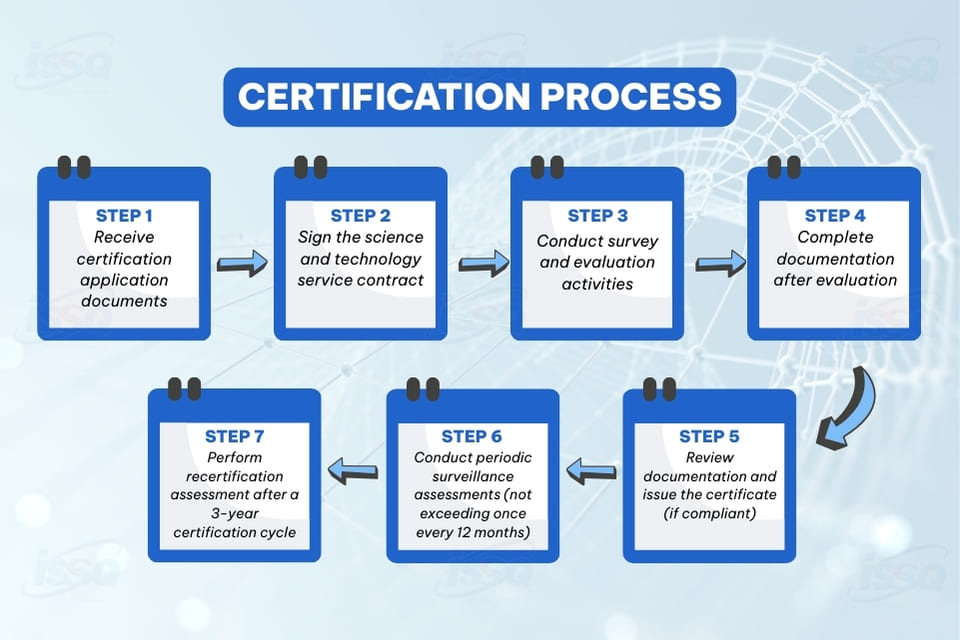
The certification process generally includes the following steps:
Step 1: Receive certification registration documents
Step 2: Sign scientific and technological service contracts
Step 3: Conduct surveys and assessments
Step 4: Complete documentation after assessment
Step 5: Appraise documents and issue certification certificates (if compliant)
Step 6: Conduct surveillance assessments at least once every 12 months
Step 7: Conduct recertification assessments (certificate validity: 3 years)
Hand dryers are electrical devices widely used in many public spaces; therefore, ensuring product safety and quality is extremely important during manufacturing, importation, and business operations. Conducting conformity certification for hand dryers according to QCVN 4 not only helps businesses comply with technical requirements but also contributes to improving brand reputation, increasing customer trust, and minimizing risks during product distribution.
In addition, preparing complete documentation and following the correct certification process will help businesses optimize processing time and facilitate long-term distribution and product development activities.
If your company requires conformity assessment and certification services for hand dryers according to QCVN 4, please contact the ISSQ Quality Institute via hotline: (+84) 981851111 or email: vienchatluong@issq.org.vn | tcvn@issq.org.vn for support.
Publication Date: 11/05/2026


