
INSTITUTE FOR STANDARD AND QUALITY DEVELOPMENT STUDIES


Manufactured sand and natural sand are important input materials used in numerous construction projects. The quality of these materials not only affects the durability of structures but also impacts the interests of investors, contractors, and end users. This is also why conformity certification for construction sand products has received significant attention in recent years.
Manufactured sand and natural sand are important materials widely used in civil, industrial, and infrastructure construction projects. As requirements for construction quality continue to increase, controlling the quality of input materials has become a matter of particular concern for regulatory authorities and project investors.
Under current regulations, manufactured sand and natural sand belong to the group of construction materials that must undergo conformity certification before being placed on the market. This is not only a legal requirement but also helps affirm product quality and enhance the reputation of enterprises.
Join ISSQ Quality Institute in learning about conformity certification for manufactured sand and natural sand in accordance with QCVN 16:2023/BXD in the article below.
Manufactured sand and natural sand are two types of fine aggregates commonly used in construction. They play an important role in the production of concrete, masonry mortar, plastering mortar, and many other construction applications.
Manufactured sand is an artificial sand product produced by crushing suitable types of rock such as limestone, granite, or other construction stones. After crushing, screening, and classification, the resulting material has particle sizes similar to natural sand and meets technical requirements for construction purposes.
Today, manufactured sand is increasingly used due to its ability to ensure a stable supply of raw materials, reduce pressure on natural sand extraction, and meet the growing demand for construction materials.
Natural sand is formed through the long-term weathering and erosion of rocks and is extracted from sources such as rivers, streams, and natural sand deposits.
Due to its relatively uniform particle characteristics and long-standing use in the construction industry, natural sand is commonly used for concrete production, masonry mortar, land filling, and many other civil and industrial construction applications.
Although manufactured sand and natural sand differ in origin and characteristics, both must satisfy applicable technical requirements when used in construction to ensure the quality and durability of structures.
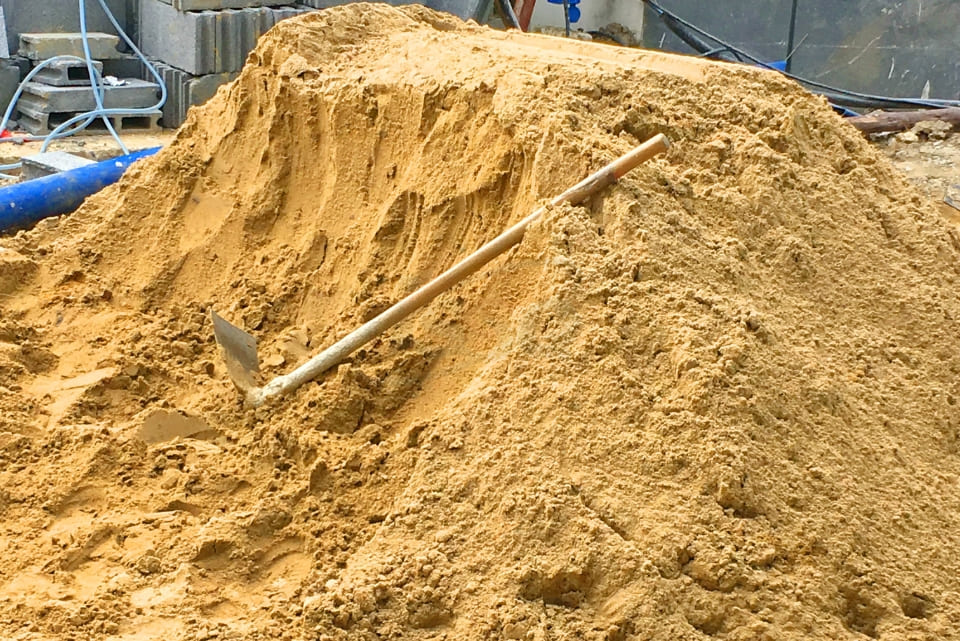
Manufactured sand and natural sand are critical input materials for many construction projects. The quality of these materials not only affects the durability of structures but also impacts the interests of investors, contractors, and end users. This is one of the main reasons why conformity certification for construction sand products is receiving considerable attention today.
Sand is a key component in concrete and construction mortar. If the product does not meet necessary technical requirements, the structure may encounter issues related to durability, load-bearing capacity, or service life during operation.
The construction sand market currently includes numerous extraction, production, and distribution entities. Conformity assessment according to applicable technical regulations provides a consistent basis for product quality control.
When selecting construction materials, many investors and contractors tend to prioritize products that comply with technical requirements and current regulations. This helps reduce risks associated with material quality during construction.
To ensure the quality of construction materials circulating in the market, the Ministry of Construction has issued QCVN 16:2023/BXD. Under this regulation, manufactured sand and natural sand are among the products required to undergo conformity certification before being marketed.
Conformity certification for manufactured sand and natural sand under QCVN 16 is therefore not only a legal requirement but also closely associated with the need for quality control, construction quality assurance, and greater transparency in construction material manufacturing and trading activities.
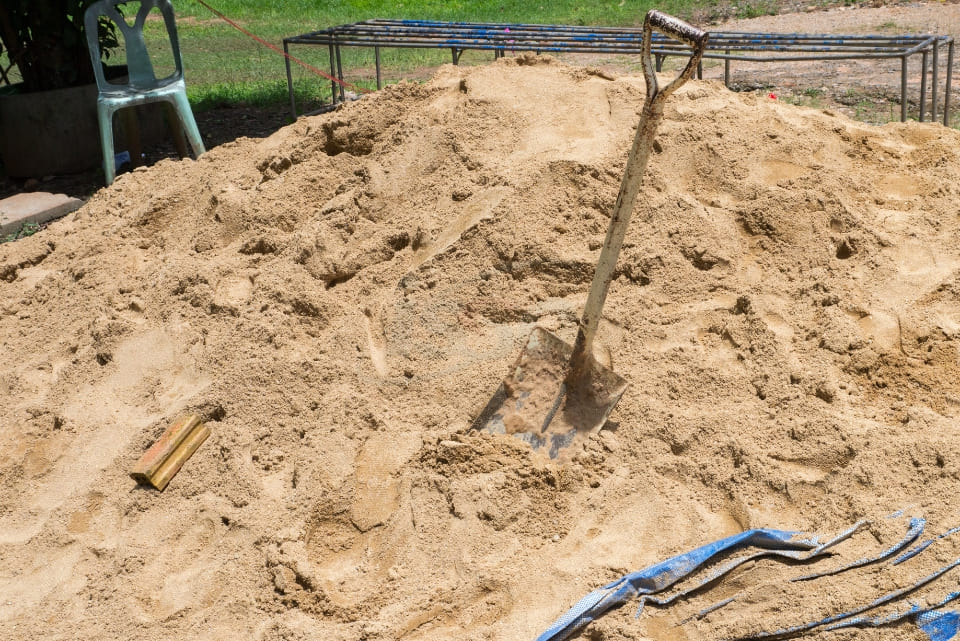
QCVN 16:2023/BXD is the National Technical Regulation on Construction Materials issued by the Ministry of Construction. This regulation specifies technical characteristic limits and management requirements for Group-2 construction products and goods as defined under the Law on Product and Goods Quality.
QCVN 16:2023/BXD applies to construction material products manufactured domestically, imported, traded, circulated in the market, and used in construction projects within Vietnam. However, it does not apply to certain special cases such as samples used for research, testing, advertising, temporary import for re-export, goods in transit, or products intended for defense and security purposes in accordance with applicable regulations.
Applicable entities include organizations and individuals involved in the manufacturing, importation, trading, and use of construction materials; testing laboratories; conformity certification bodies; and state management agencies responsible for construction material quality.
According to QCVN 16:2023/BXD, manufactured sand and natural sand used for concrete and mortar are construction material products that must undergo conformity assessment and conformity certification before being placed on the market. This serves as the basis for enterprises to make conformity declarations and comply with current quality management requirements.
| No. | Technical Indicator | Requirement Level | Test Method |
|---|---|---|---|
| 1 | Particle size distribution (b) | According to Table 1 of TCVN 9205:2012 | TCVN 7572-2:2006 |
| 2 | Content of particles smaller than 75 µm (b) | According to Clause 3.5 of TCVN 9205:2012 | TCVN 9205:2012 |
| 3 | Clay particle content (%) | ≤ 2 | TCVN 7572-8:2006 |
| 4 | Chloride ion (Cl⁻) content (a) | According to Table 2 of TCVN 9205:2012 | TCVN 7572-15:2006 |
| 5 | Alkali-silica reactivity | Within harmless aggregate zone | TCVN 7572-14:2006 |
Sampling Method: Samples shall be taken from 10 different locations within the same batch. Each location shall provide at least 5 kg. Mix all samples thoroughly and quarter them to obtain a test sample of at least 20 kg.
| No. | Technical Indicator | Requirement Level | Test Method |
|---|---|---|---|
| 1 | Particle size distribution | According to Table 1 of TCVN 7570:2006 | TCVN 7572-2:2006 |
| 2 | Impurities (clay lumps, dust, silt, clay content) | According to Table 2 of TCVN 7570:2006 | TCVN 7572-8:2006 |
| 3 | Organic impurities | Not darker than standard color | TCVN 7572-9:2006 |
| 4 | Chloride ion (Cl⁻) content (a) | According to Table 3 of TCVN 7570:2006 | TCVN 7572-15:2006 |
| 5 | Alkali-silica reactivity | Within harmless aggregate zone | TCVN 7572-14:2006 |
Sampling Method: Samples shall be collected from 10 different locations, with at least 5 kg taken from each location. Mix thoroughly and quarter the sample to obtain at least 20 kg for testing.
(a) Aggregates with chloride ion content exceeding these limits may still be used if the total chloride ion content in 1 m³ of concrete from all material sources does not exceed 0.6 kg for reinforced concrete and 0.3 kg for prestressed reinforced concrete.
(b) Manufactured sand with particle content passing 140 µm and 75 µm sieves exceeding these requirements may still be used if test results demonstrate no adverse effects on the quality of concrete and mortar.
Conformity certification is one of the mandatory requirements for manufactured sand and natural sand products within the scope of QCVN 16:2023/BXD. Compliance facilitates production, business operations, and product circulation.
The conformity assessment process verifies that products meet technical requirements specified in current regulations, providing evidence of quality for customers and business partners.
Products bearing conformity certification demonstrate a company’s commitment to quality and regulatory compliance, thereby strengthening its reputation and market image.
As the construction materials market places greater emphasis on product quality and traceability, conformity certification can help businesses differentiate themselves and improve competitiveness.
Many investors, contractors, and construction firms prioritize products that fully comply with technical requirements and regulations. Possessing conformity certification can facilitate participation in construction material supply chains.
Conformity certification for manufactured sand and natural sand under QCVN 16:2023/BXD not only supports compliance with quality management requirements but also provides a foundation for enhancing reputation, expanding cooperation opportunities, and achieving sustainable business growth.
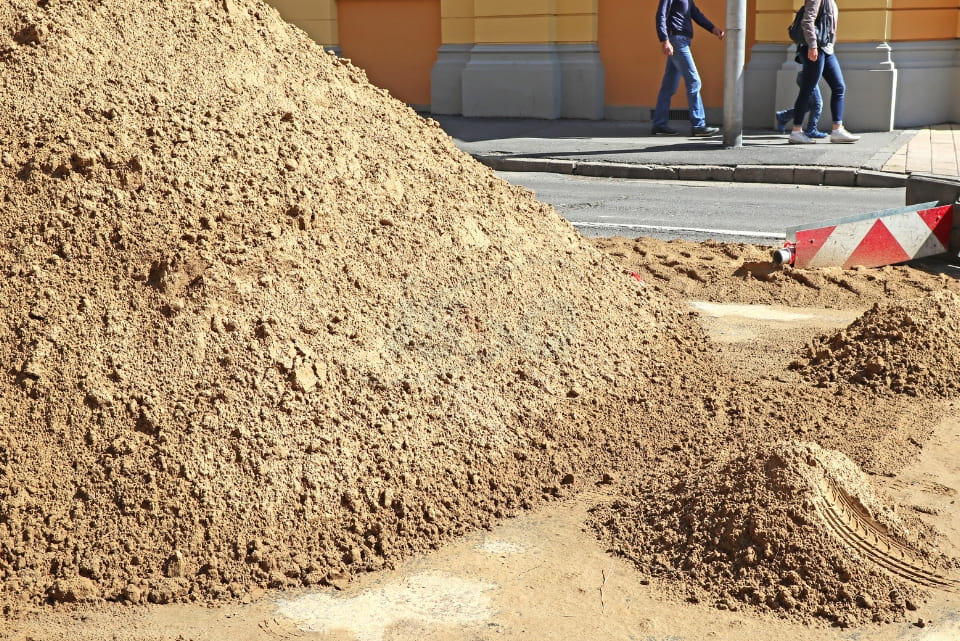
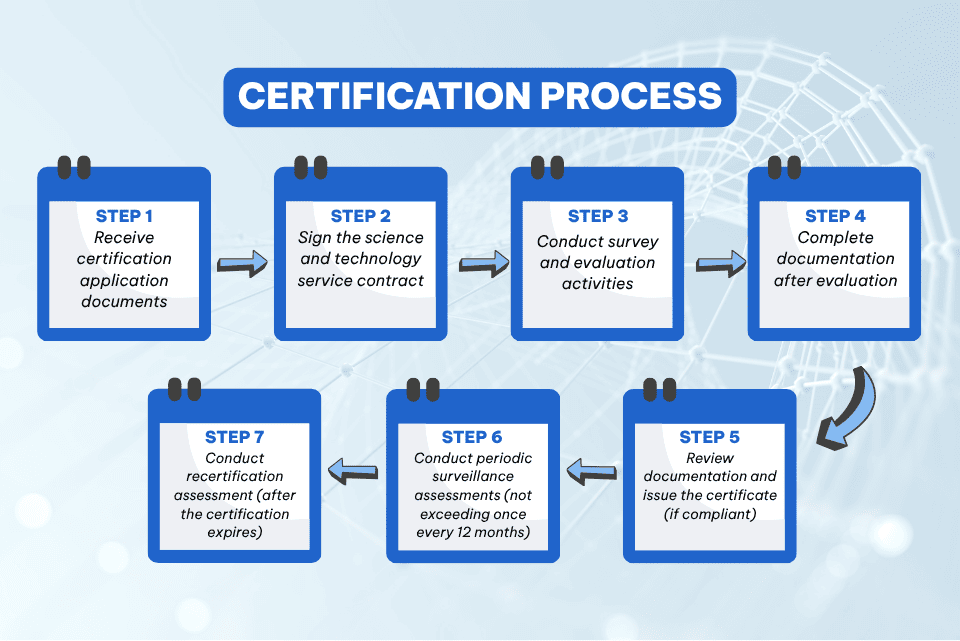
To obtain conformity certification for manufactured sand and natural sand under QCVN 16:2023/BXD, the following basic steps are generally followed:
Step 1: Receive certification application documents.
Step 2: Sign a scientific and technological service contract.
Step 3: Conduct surveys and assessments.
Step 4: Complete post-assessment documentation.
Step 5: Review documentation and issue the certificate (if compliant).
Step 6: Conduct surveillance assessments at intervals not exceeding 12 months.
Step 7: Conduct recertification assessment after certificate expiration.
Manufactured sand and natural sand are important construction materials that directly affect the quality and durability of structures. Conformity certification for manufactured sand and natural sand under QCVN 16:2023/BXD not only helps enterprises comply with current management requirements but also serves as evidence of product quality, enhances reputation, and improves competitiveness in the marketplace.
Organizations seeking conformity certification services for manufactured sand and natural sand under QCVN 16 may contact ISSQ Quality Institute via hotline: (+84) 981 851 111 or email vienchatluong@issq.org.vn | tcvn@issq.org.vn for procedural support.
Publication Date: 01/06/2026


