
INSTITUTE FOR STANDARD AND QUALITY DEVELOPMENT STUDIES


Plastic packaging and utensils that come into direct contact with food may pose various risks to consumers, businesses, and the market if they fail to meet safety requirements. Therefore, QCVN 12-1:2011/BYT was issued to stipulate hygiene and safety requirements for synthetic plastic packaging and utensils intended for direct food contact, thereby contributing to product quality control before products are placed on the market.
Plastic packaging and utensils that come into direct contact with food are widely used in food production, processing, storage, and distribution activities. Because these products directly contact food, they must meet safety requirements to minimize potential adverse effects on consumer health.
To control product quality and comply with current regulations, conformity certification of plastic packaging and utensils according to QCVN 12-1:2011/BYT has become a matter of interest for many businesses. Let ISSQ Institute of Quality explore the conformity certification process for plastic packaging and utensils under QCVN 12-1:2011/BYT in the article below.
Plastic packaging and utensils intended for direct food contact are products manufactured from synthetic plastic materials and used for containing, preserving, processing, transporting, or directly contacting food during use.
These products play an important role in protecting food from external environmental impacts while facilitating storage, distribution, and consumption. However, because they come into direct contact with food, plastic packaging and utensils must satisfy hygiene and safety requirements to minimize the migration of harmful substances into food.
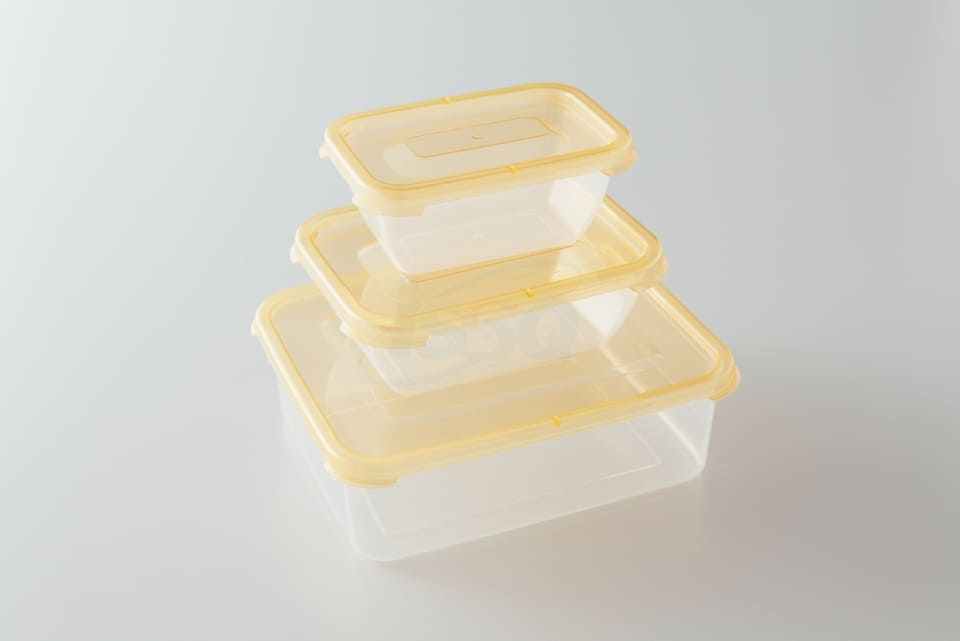
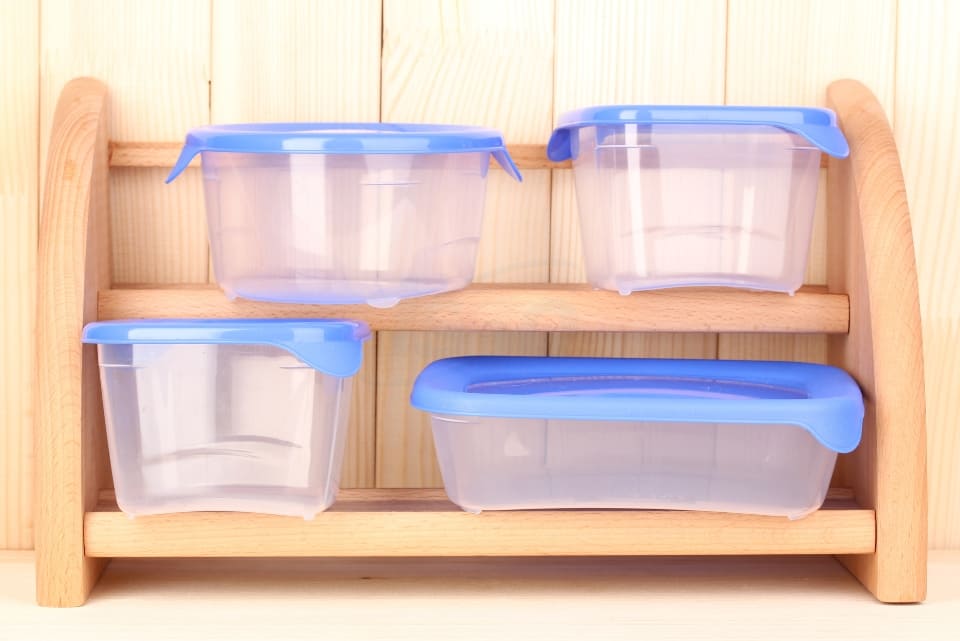
Common products in this category include plastic bottles and jars for beverages and food, food containers, plastic cups, bowls, plates, food trays, plastic food wraps, and plastic utensils used in food processing and preservation.
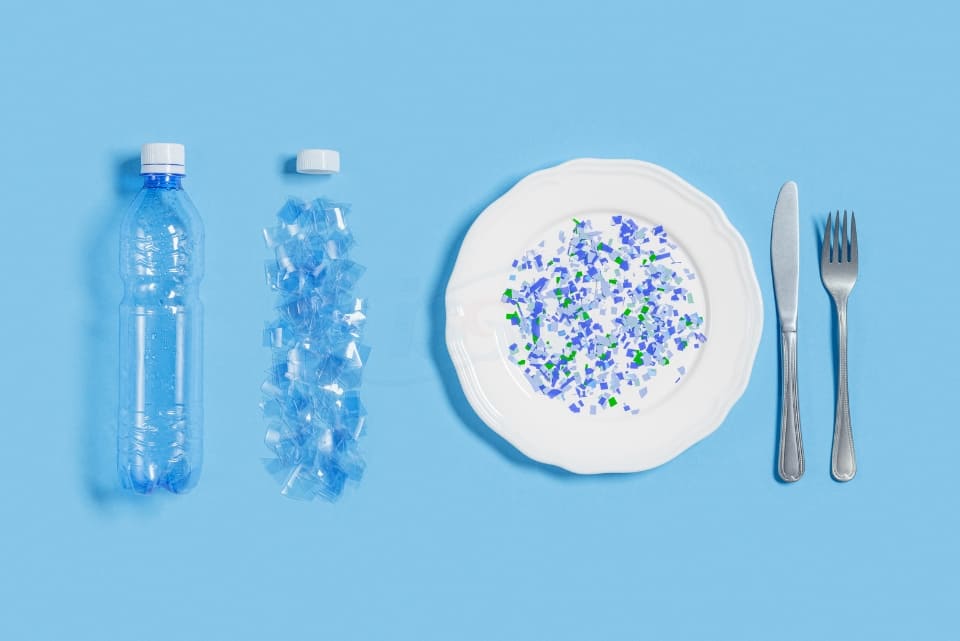
Plastic packaging and utensils intended for direct food contact may pose various risks to consumers, businesses, and the market if they do not meet safety requirements. Some common risks include:
These risks demonstrate that quality control and conformity assessment for plastic packaging and utensils intended for direct food contact are necessary requirements to protect public health and support sustainable business development.
Therefore, QCVN 12-1:2011/BYT was issued to specify hygiene and safety requirements for synthetic plastic packaging and utensils intended for direct food contact, contributing to product quality control before products are marketed.
QCVN 12-1:2011/BYT is the National Technical Regulation on Hygiene and Safety for Synthetic Plastic Packaging and Utensils Intended for Direct Food Contact, issued by the Ministry of Health of Vietnam.
This regulation specifies technical and management requirements aimed at controlling the safety level of plastic packaging and utensils during contact with food.
The application of QCVN 12-1:2011/BYT helps minimize health risks caused by harmful substances migrating from plastic materials into food while providing a basis for conformity assessment and conformity declaration in accordance with current regulations.
This regulation applies to organizations and individuals involved in the production, importation, trading, and use of synthetic plastic packaging and utensils intended for direct food contact, including:
Through conformity certification demonstrating compliance with QCVN 12-1:2011/BYT requirements, businesses can prove the quality and safety level of their products before placing them on the market.
Conformity certification for plastic packaging and utensils under QCVN 12-1:2011/BYT not only benefits businesses but also contributes to protecting consumer rights and health.
Conformity certification for plastic packaging and utensils under QCVN 12-1:2011/BYT not only helps businesses meet regulatory requirements but also enhances product quality, brand reputation, and market competitiveness while protecting consumer health and rights.
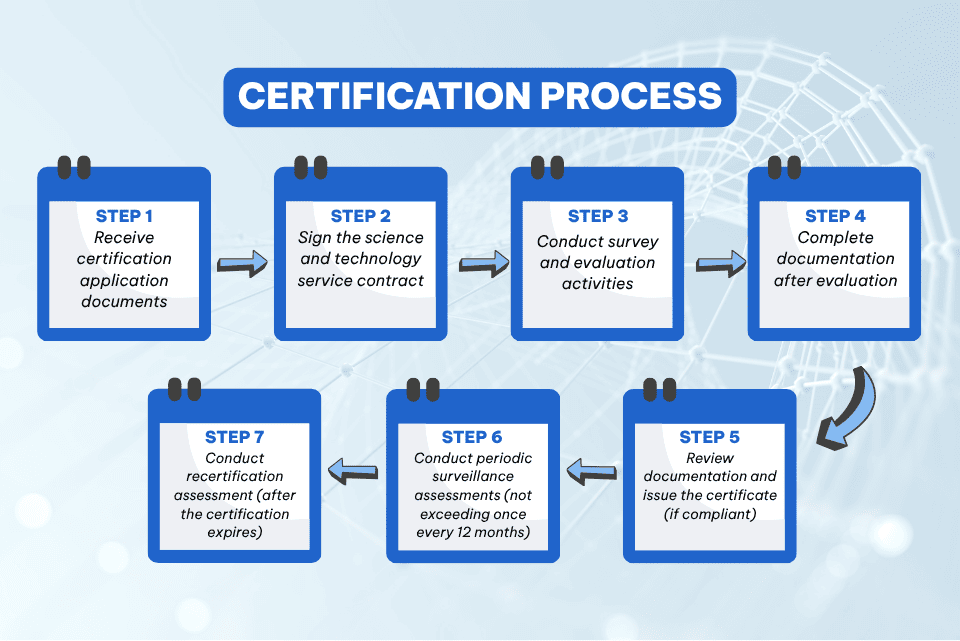
To assess the conformity of plastic packaging and utensils intended for direct food contact with the requirements of QCVN 12-1:2011/BYT, the evaluation and certification process is generally carried out through the following basic steps:
Step 1: Receive the Certification Registration Application
Step 2: Sign the Science and Technology Service Contract
Step 3: Conduct Inspection and Assessment
Step 4: Complete Documentation Following the Assessment
Step 5: Review the Documentation and Issue the Certificate (if compliant)
Step 6: Conduct Surveillance Assessments at Intervals Not Exceeding 12 Months
Step 7: Conduct Recertification Assessment (upon certificate expiration)
Plastic packaging and utensils intended for direct food contact are product groups that directly affect food quality and consumer health. Therefore, compliance with the requirements of QCVN 12-1:2011/BYT not only helps businesses meet legal obligations but also demonstrates product quality and safety in the marketplace.
Organizations interested in conformity certification for plastic packaging and utensils under QCVN 12-1:2011/BYT are invited to contact ISSQ Institute of Quality via hotline (+84) 981 851 111 or email vienchatluong@issq.org.vn | tcvn@issq.org.vn for guidance and support with certification procedures.
Publication Date: June 10, 2026


