
INSTITUTE FOR STANDARD AND QUALITY DEVELOPMENT STUDIES


Many consumers still cannot clearly distinguish between organic food and clean food. Organic products are cultivated using organic farming methods and must meet organic certification standards. Below, the Institute of Quality ISSQ provides an overview of organic certification.
Many consumers still cannot clearly distinguish between organic food and clean food. Organic products are cultivated using organic farming methods and must meet organic certification standards.
Below, the Institute of Quality ISSQ provides an overview of organic certification.
Organic agriculture refers to the production of agricultural products using environmentally friendly methods and generally avoiding the use of synthetic inputs such as pesticides and antibiotics.
Organic products are grown without the use of pesticides, sewage sludge, synthetic fertilizers, genetically modified organisms (GMOs), or ionizing radiation. Animals raised for meat, eggs, poultry, and dairy products are not treated with antibiotics or growth hormones.
Organic products are produced on farms that focus on using renewable resources and conserving soil and water in order to enhance environmental quality and ecological sustainability for future generations.
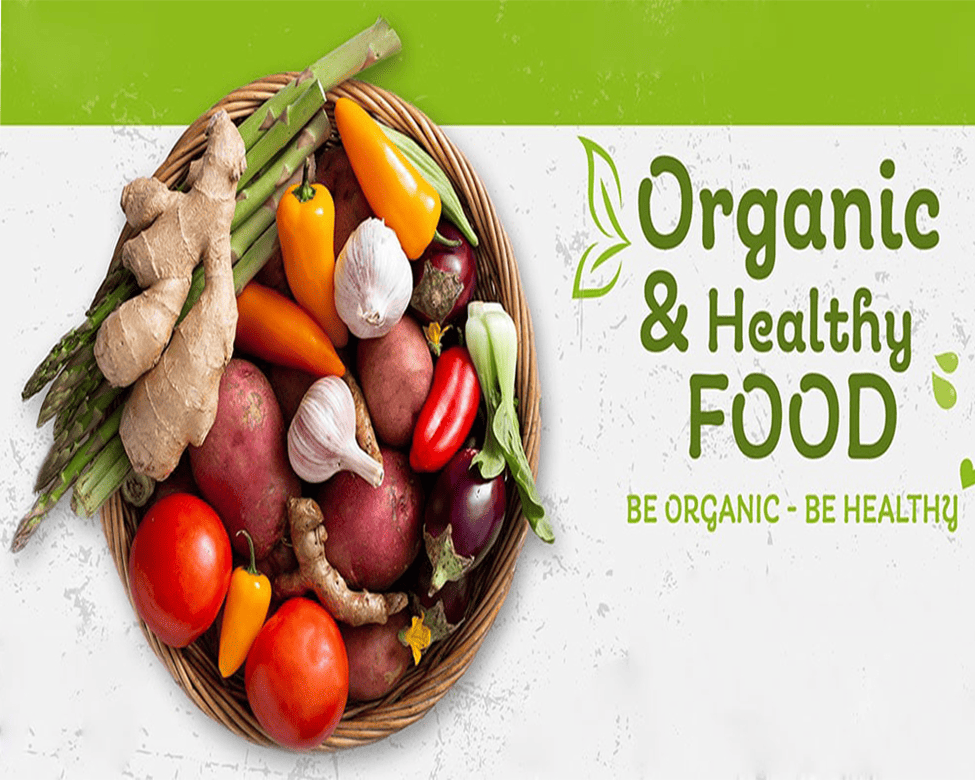
Organic certification is granted to products to confirm that they comply with all principles and requirements of organic agriculture. Depending on the percentage of organic ingredients in the product, different certification categories may apply.
Each certification has strict requirements regarding seeds, water sources, buffer zones, organic inputs, biodiversity, and more.
Organic certification in Vietnam includes:
National Standard TCVN 11041-1:2017 – Organic agriculture – Part 1: General requirements for production, processing, and labeling of organic agricultural products.
National Standard TCVN 11041-2:2017 – Organic agriculture – Part 2: Organic crop production.
National Standard TCVN 11041-3:2017 – Organic agriculture – Part 3: Organic livestock production.
National Standard TCVN 11041-5:2018 – Organic agriculture – Part 5: Organic rice.
National Standard TCVN 11041-6:2018 – Organic agriculture – Part 6: Organic tea.
National Standard TCVN 11041-7:2018 – Organic agriculture – Part 7: Organic milk.
National Standard TCVN 11041-8:2018 – Organic agriculture – Part 8: Organic shrimp.
Some key differences include:
Safety level: Organic food does not contain synthetic chemicals, ensuring a high level of safety for consumers.
Lower nitrate content: Organic products may contain about 30% less nitrate compared to conventional crops, potentially reducing certain health risks.
Higher nutritional value: Organic food often has higher antioxidant content, helping protect the body and strengthen the immune system.
Ecological balance: Organic agriculture is a holistic farming system that uses natural cultivation methods to optimize productivity while maintaining ecosystem balance in accordance with natural laws.
Each organic certification body establishes a set of rules that products and producers must comply with to obtain certification. These rules are designed to meet criteria such as:
Minimum required percentage of organic ingredients.
Permitted levels of synthetic substances (if any), such as preservatives, chemicals, or flavorings.
Allowed or prohibited ingredients in the product.
Permissible production processes for organic products.
Calculation and evaluation of water inputs.
Manufacturers’ ingredients and production processes form part of the certification procedure and must be regularly inspected by third-party organic certification bodies to ensure compliance with applicable standards.
To meet organic standards, organic producers (farmers and livestock producers) must strictly comply with the following requirements:
Organic agriculture encourages the coexistence of plants and organisms across large farming areas and surrounding habitats. Greater biodiversity helps maintain soil fertility and control pests naturally, creating a balanced environment for producing healthy products.
A buffer zone is the distance between organic and non-organic farming areas. It protects organic fields from contamination caused by chemical runoff or drift from neighboring farms. The minimum buffer distance is typically 1 meter from the edge of non-organic crops to the canopy edge of organic crops. The buffer zone should be expanded if contamination risks are high.
Organic standards require producers to clearly distinguish between organic and non-organic crops. The same crop variety must not be grown simultaneously in both organic and conventional fields. Parallel production may be permitted if crops differ in color or shape for easy identification.
Organic farming aims to prevent risks to human health and the environment. Therefore, the use of unverified scientific applications with potential harmful impacts is prohibited. The use of GMOs is strictly banned, as they may spread through cross-pollination and cause ecological imbalance or loss of biodiversity.
Organic seeds and seedlings are ideal. However, in Vietnam, the supply of certified organic seeds is still limited and may not fully meet producers’ needs.
Organic production inputs are guided under the PGS (Participatory Guarantee System), which ensures that products are produced following organic production processes and regulations.
The Institute of Quality ISSQ is always ready to accompany businesses during the period of integration and development.
Publication date: 03/12/2022


