What is HACCP?
HACCP Certification stands for Hazard Analysis and Critical Control Point. It is a food safety and hygiene management system based on the principles of hazard analysis and critical control during food production processes to ensure the safety of consumers.
The principles of HACCP Certification are implemented worldwide and apply to all food and beverage manufacturing industries. In addition, this system is applicable to products currently available on the market as well as newly developed products.
However, HACCP Certification is not merely about hazard analysis and critical control. It is also a tool for ensuring prerequisite programs such as Good Manufacturing Practices (GMP), Sanitation Standard Operating Procedures (SSOP), and other essential standards necessary to ensure food safety and hygiene.

Applicable Organizations for HACCP Certification
Organizations eligible for HACCP Certification include:
- Seafood, food, and animal feed manufacturing and trading enterprises.
- Food processing facilities, export processing zones, and industrial feed manufacturers.
- Catering service providers, restaurants, hotels, and other organizations involved in food-related activities.
Why Should Businesses Implement HACCP Certification?
Implementing HACCP Certification provides businesses with the following benefits:
- Enhances product quality reputation, increases competitiveness, and improves the ability to penetrate and expand markets compared to competitors, especially in the food export sector.
- Allows the use of the HACCP conformity mark on product labels, creating strong confidence among customers and business partners.
- Facilitates negotiations and the signing of domestic and international commercial contracts.
- Reduces sales-related costs.
- Meets food safety requirements imposed by competent regulatory authorities.
- Serves as an important foundation for implementing ISO 22000.
In addition, HACCP Certification also benefits:
For the industry:
- Increases competitiveness and marketing effectiveness.
- Reduces costs associated with defective products or product recalls.
For the government:
- Improves public health.
- Creates favorable conditions for trade development.
For consumers:
- Reduces the risk of foodborne illnesses.
- Improves overall quality of life.
Reasons to Choose ISSQ Certification Organization
- ISSQ Certification Organization conducts systematic and independent management system assessments to identify strengths and areas requiring improvement.
- ISSQ Certification Organization utilizes pre-planned audit schedules to ensure management systems achieve their objectives and continuously improve key performance areas.
- ISSQ Certification Organization can provide HACCP certification integrated with various other management systems, delivering additional practical benefits to organizations and businesses.
- ISSQ Certification Organization always supports customers with the lowest possible costs while delivering optimal effectiveness.
HACCP Certification Process
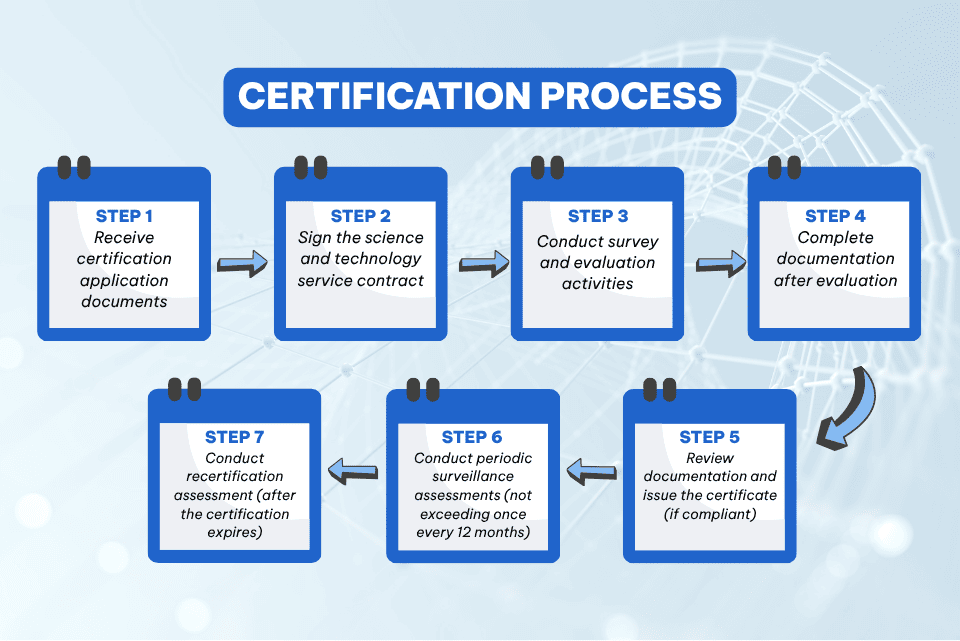
Organizations requiring HACCP Certification assessment may contact the ISSQ Institute for Quality via hotline (+84) 981 851 111 or email vienchatluong@issq.org.vn | tcvn@issq.org.vn for guidance and support with certification procedures.
Publication Date: July 11, 2018


