
INSTITUTE FOR STANDARD AND QUALITY DEVELOPMENT STUDIES


Interlocking concrete pavers are a product line within the non-fired brick market. This type of brick is commonly used for paving sidewalks, streets, yards, and public squares. The raw materials used to produce interlocking pavers include construction aggregates, cement, fly ash, coal slag, sand, crushed stone, and industrial waste, among others.
Interlocking concrete pavers have anti-slip properties and good shaping performance under various environmental conditions. These pavers are cost-effective, durable, easy to install, and do not require highly complex technical procedures. They are a type of non-fired brick that is prioritized for development due to their environmental benefits.
With these advantages, interlocking concrete pavers are increasingly produced to meet the growing demand of construction projects. Manufacturers are gradually aligning their production with national standards, and TCVN 6476:1999 is the national standard applicable to interlocking concrete pavers.
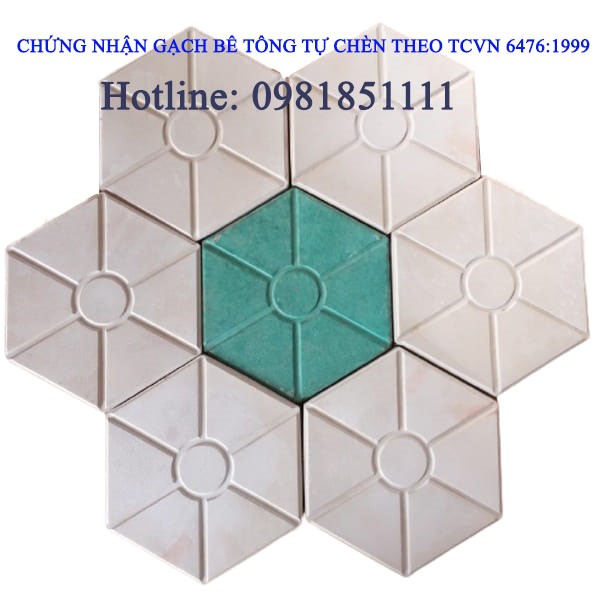
Interlocking concrete pavers belong to the category of non-fired bricks. They are widely used for paving sidewalks, streets, yards, and public squares. The raw materials used in the production of these pavers include construction aggregates, cement, fly ash, coal slag, sand, crushed stone, and industrial waste.
These pavers are manufactured in various sizes, shapes, and compressive strength grades.
Interlocking pavers have many functional advantages and can be used in a wide range of applications. Investment in production lines and manufacturing processes is relatively simple. The production process does not require firing, unlike traditional clay bricks.
As a result, production efficiency can be optimized while contributing to a more environmentally friendly construction material and reducing environmental pollution. Their competitive price and flexible manufacturing capacity make them increasingly popular for production expansion across many provinces and cities.
Due to the ease of production investment, interlocking concrete pavers are available in many types. Some common products include:
Rectangular interlocking concrete pavers
I-shaped interlocking concrete pavers
Hexagonal interlocking concrete pavers
Zigzag interlocking concrete pavers
Worm-shaped interlocking concrete pavers
Grass planting interlocking concrete pavers
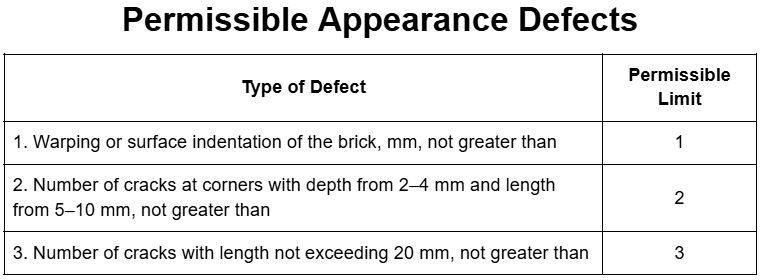
Appearance Requirements
Permissible Appearance Defects
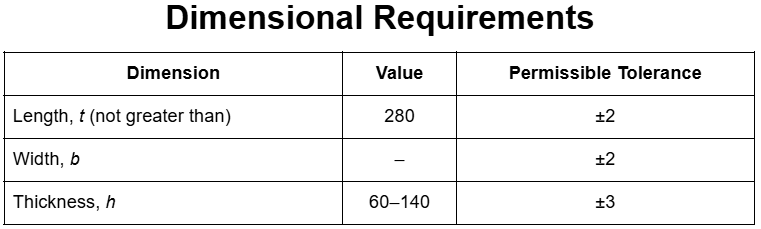

Product quality is a key factor in building a manufacturer’s reputation in the context of globalization. Aligning production with TCVN 6476:1999 can bring several benefits to companies. Therefore, many enterprises have pursued certification for interlocking concrete pavers according to this standard.
Obtaining certification according to TCVN 6476:1999 helps enterprises gain competitive advantages in the market by providing verified evidence of compliance with recognized standards in Vietnam.
Other benefits include:
Facilitating international trade through recognition of technical standards in bilateral and multilateral agreements
Increasing opportunities to win project tenders
Enhancing credibility with customers and partners
Supporting brand reputation and positive corporate image
Meeting the growing consumer demand for high-quality and safe construction materials
The above information provides an overview of Certification of Interlocking Concrete Pavers according to TCVN 6476:1999. We hope this article provides useful insights for readers.
ISSQ Institute of Quality is always ready to accompany businesses during the process of integration and development.
For more information, please contact:
Publication date: November 17, 2023


