
INSTITUTE FOR STANDARD AND QUALITY DEVELOPMENT STUDIES


29/05/2026
In modern life, plastic products such as bubble tea cups, food containers, water bottles, and disposable utensils have become extremely common. However, alongside their convenience, concerns regarding microplastics in food and the safety of plastic products that come into direct contact with food are attracting increasing public attention.
Not only consumers but also many manufacturers and distributors of food packaging are paying greater attention to controlling the quality of plastic materials in order to meet current safety requirements.
Let us join ISSQ Quality Institute in exploring microplastics in food and the requirements relating to plastic packaging and utensils that come into direct contact with food under QCVN 12-1:2011/BYT.
Microplastics are extremely small plastic particles that are often difficult to detect with the naked eye. These particles may result from the degradation of plastic products in the environment or be generated during the production, use, and storage of food.
Today, microplastics have been detected in a variety of foods and beverages consumed daily, including bottled drinking water, packaged foods, takeaway meals, and beverages served in disposable plastic cups.
Common sources that may contribute to the presence of microplastics in food include:
In particular, when plastic materials come into contact with hot foods, oily foods, or acidic foods, the risk of migration of substances from plastic materials into food may increase if the products do not meet appropriate quality requirements.
Microplastics can enter the human body primarily through daily eating and drinking activities. Consumers may unknowingly ingest microplastic particles or substances migrated from plastic packaging and utensils during food and beverage consumption.
Although research on the long-term effects of microplastics is still ongoing, the safety of food-contact plastic packaging continues to receive significant attention from consumers and regulatory authorities.

Plastic products that come into direct contact with food, such as food containers, plastic cups, plastic bottles, spoons, forks, and food packaging, are widely used because of their convenience and affordability. However, if plastic materials are of poor quality or used improperly, they may pose various food safety risks.
In practice, many plastic packaging products are used to contain hot foods, oily foods, or acidic foods. These factors may affect the stability of plastic materials during use.
If a product is not suitable for its intended food-contact conditions, the likelihood of substance migration from packaging into food may increase, thereby affecting product quality and safety.
Certain plastic products of unknown origin or those lacking proper quality control may contain impurities, unsuitable additives, excessive heavy metal content, or substances capable of migrating into food during use.
This not only affects food quality but also increases consumer concerns regarding products that come into direct contact with food and beverages.
Today, consumers are not only concerned about the origin of food products but are also paying closer attention to packaging and food-contact materials. Factors such as safety, suitability for hot food applications, and the origin of plastic materials are becoming increasingly important purchasing criteria.
For this reason, quality control of food-contact plastic packaging and utensils is becoming increasingly essential, especially for businesses involved in manufacturing, importing, and distributing food-related products.
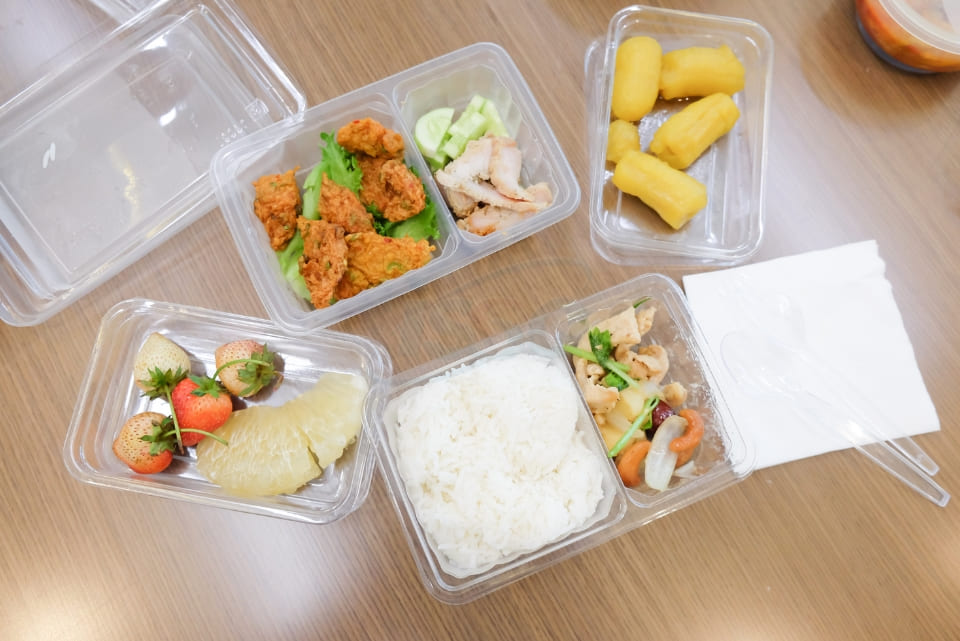
QCVN 12-1:2011/BYT is a National Technical Regulation issued by the Ministry of Health of Vietnam, specifying technical and management requirements regarding hygiene and safety for synthetic plastic packaging and utensils that come into direct contact with food.
This regulation was developed to help control the safety level of plastic products used for containing, preserving, and directly contacting food and beverages.
The regulation applies to:
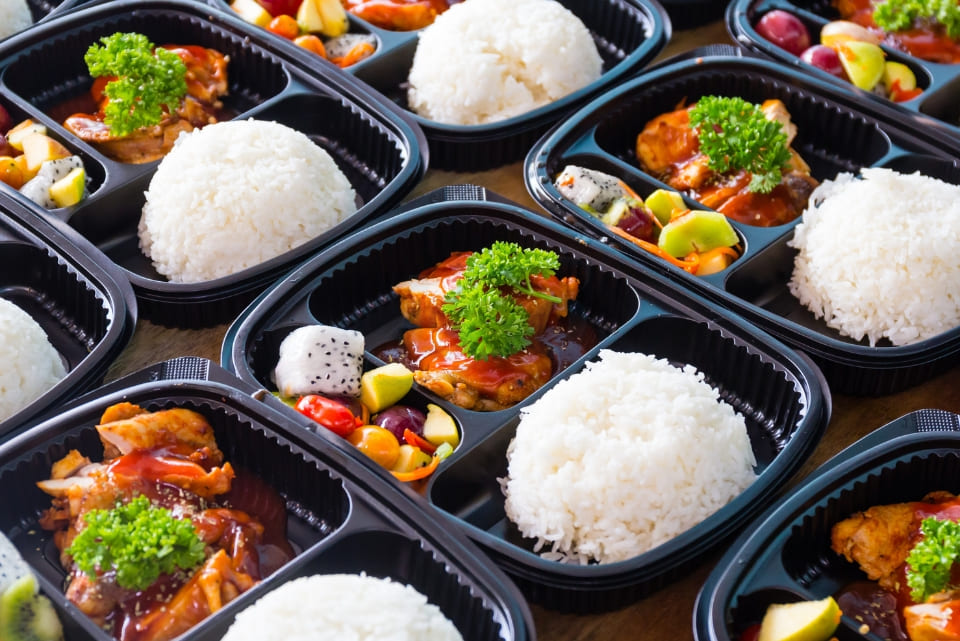
Currently, this regulation applies to many commonly used plastic products in the food industry, including food containers, plastic cups, plastic bottles, plastic trays, food packaging materials, and various plastic utensils that come into direct contact with food.
The control of these material groups helps enterprises assess product quality while improving the safety level of plastic packaging and utensils that come into direct contact with food during use.
As consumers become increasingly concerned about food safety and the quality of packaging that comes into direct contact with food, conformity certification under QCVN 12-1:2011/BYT is receiving greater attention from businesses.
In addition to supporting compliance with quality management requirements, certification activities provide numerous benefits for enterprises in manufacturing, business operations, and brand development.
The assessment of plastic packaging and utensils in accordance with QCVN 12-1:2011/BYT helps businesses better control product quality when such products come into direct contact with food.
Plastic packaging and utensils that have been assessed for conformity with QCVN 12-1:2011/BYT can provide greater confidence to customers and business partners during product selection and use.
Conformity certification for plastic packaging and utensils under QCVN 12-1:2011/BYT helps businesses facilitate product circulation, commercial activities, and distribution in the marketplace.
Conformity certification demonstrates a company’s commitment to product quality and consumer safety, thereby contributing to enhanced brand reputation and credibility.
As consumers continue to place greater emphasis on food safety and the quality of food-contact packaging, conformity certification under QCVN 12-1:2011/BYT not only helps businesses control product quality but also enhances credibility, strengthens customer trust, and creates competitive advantages in today’s marketplace.
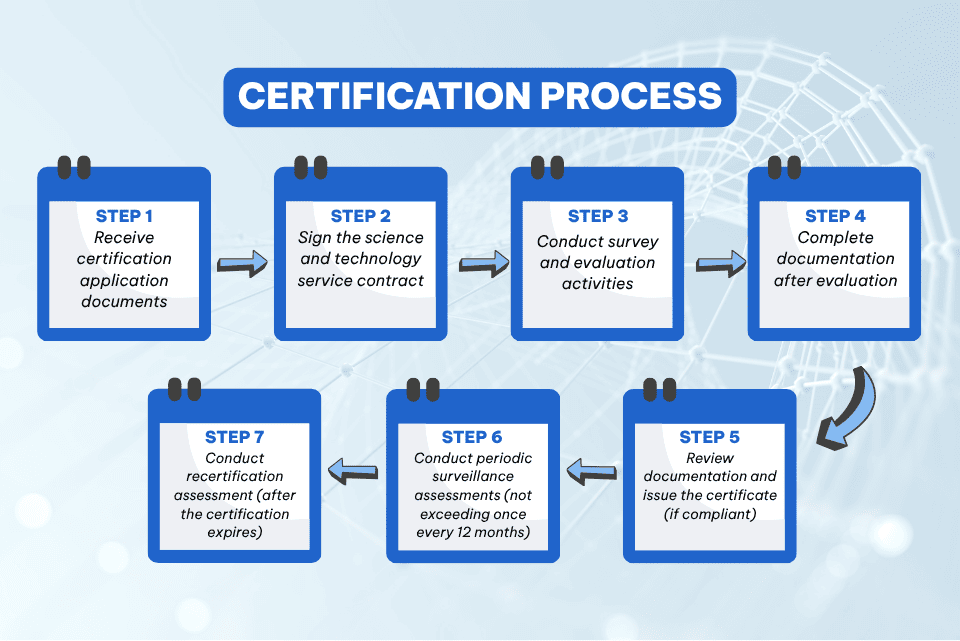
The conformity certification process for synthetic plastic packaging and utensils that come into direct contact with food is typically conducted through the following basic steps to assist businesses in evaluating product compliance with current technical regulations.
Step 1: Receive Certification Application Documents
Step 2: Sign the Science and Technology Service Contract
Step 3: Conduct Survey and Assessment Activities
Step 4: Complete Documentation Following the Assessment
Step 5: Review Documentation and Issue the Certificate (if compliant)
Step 6: Conduct Surveillance Assessments at Intervals Not Exceeding 12 Months
Step 7: Conduct Re-certification Assessment (Upon Expiration of the Certificate)
Microplastics in food are becoming an issue of increasing concern as plastic products that come into direct contact with food are used more extensively in everyday life. Therefore, controlling the quality and safety of synthetic plastic packaging and utensils has become an important consideration for both businesses and consumers.
Conformity certification under QCVN 12-1:2011/BYT not only helps enterprises strengthen product quality control but also enhances credibility, brand image, and the safety level of plastic packaging products that come into direct contact with food in both domestic and international markets.
If your company requires conformity certification assessment services for synthetic plastic packaging and utensils in accordance with QCVN 12-1:2011/BYT, please contact ISSQ Quality Institute via hotline: (+84) 981 851 111 or email: vienchatluong@issq.org.vn | tcvn@issq.org.vn for assistance with certification procedures.
Publication Date: May 27, 2026


