
INSTITUTE FOR STANDARD AND QUALITY DEVELOPMENT STUDIES


26/06/2026
Medical devices are a category of products subject to stringent quality and safety requirements due to their direct impact on the health of users. Amid growing healthcare demands and increasingly stringent requirements from markets and regulatory authorities, establishing an appropriate quality management system has become a major concern for many businesses operating in the medical device sector.
Among various management tools, ISO 13485 is considered an effective means of helping organizations improve management efficiency, control product quality, and ensure safety throughout the design, manufacturing, distribution, and supply processes of medical devices.
Join the ISSQ Institute Quality in exploring the role of ISO 13485 in enhancing the quality and safety of medical devices through the article below.
ISO 13485 is an international standard issued by the International Organization for Standardization (ISO), specifying requirements for a quality management system dedicated to the medical device sector. The standard is designed to support organizations in demonstrating their ability to consistently provide medical devices and related services that are safe, effective, and compliant with customer requirements as well as applicable regulatory requirements.
ISO 13485 is not only applicable to medical device manufacturers but is also suitable for any organization involved in one or more stages of a product's life cycle. This includes activities such as medical device design and development; manufacturing, installation, servicing, and maintenance; storage, distribution, and after-sales services; as well as technical support activities such as sterilization, calibration, verification, or transportation.
In addition, the standard can also be applied by suppliers or external organizations providing components, materials, accessories, or services related to quality management systems in the medical device sector. Implementing ISO 13485 contributes to ensuring consistency and uniformity in quality throughout the entire supply chain while improving product safety before products reach end users.
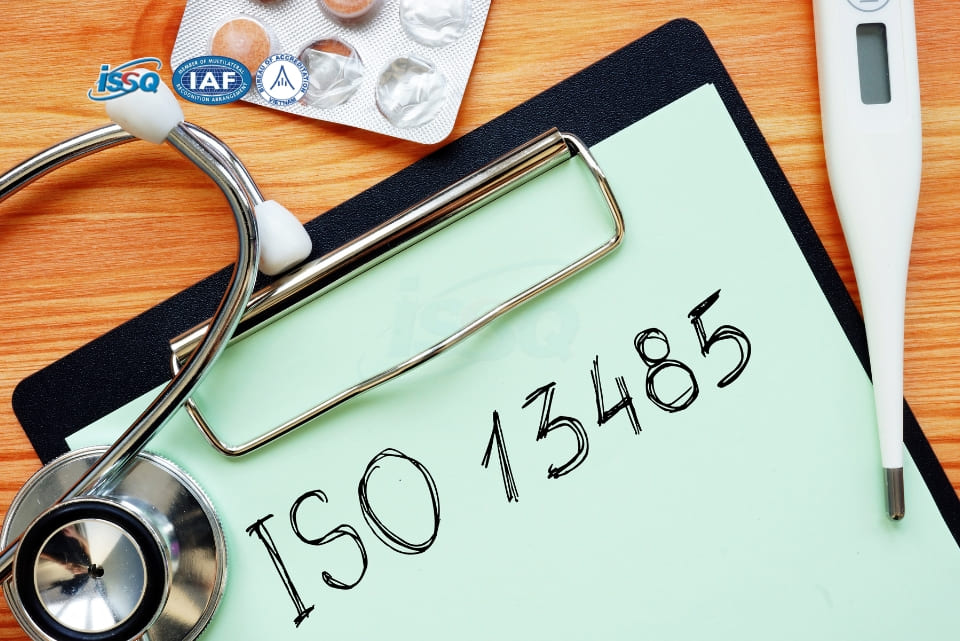
Medical devices are products used in diagnosis, treatment, monitoring, and healthcare activities. Due to their direct impact on treatment effectiveness and user safety, medical device quality control should be implemented throughout the entire process, from design and manufacturing to distribution and use. Without proper control, numerous risks may arise.
Some common risks associated with ineffective control of medical device quality and safety include:
Strict control of medical device quality and safety not only helps protect user health but also enables organizations to minimize risks, comply with regulatory requirements, and strengthen their competitiveness in the marketplace. Therefore, implementing a quality management system in accordance with ISO 13485 is considered an effective solution to support organizations in achieving these objectives.
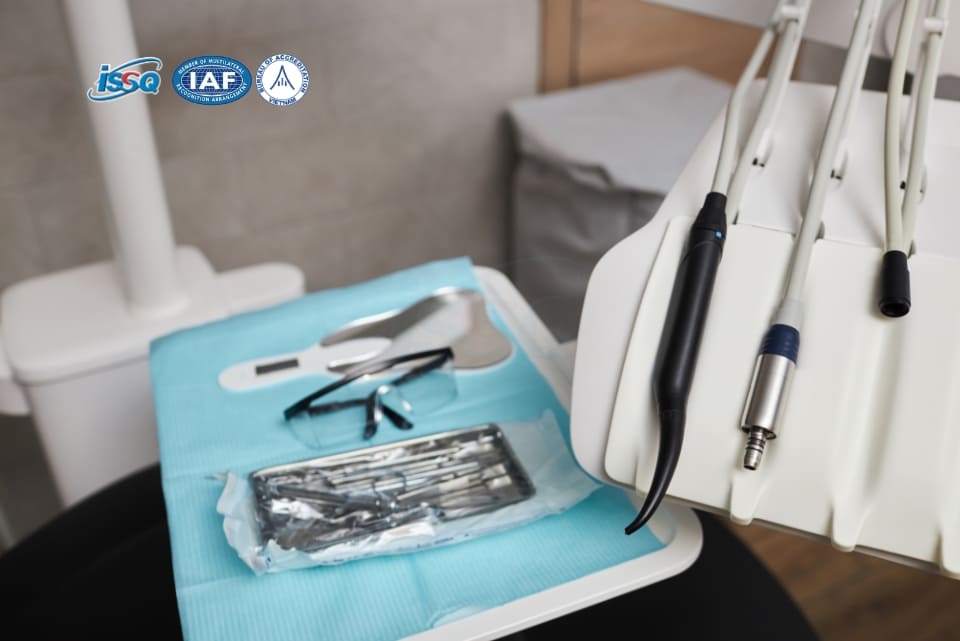
Implementing ISO 13485 not only enables organizations to establish a quality management system tailored to the specific characteristics of the medical device industry but also provides numerous practical benefits for manufacturing, business operations, and market development. These benefits can be viewed from the perspectives of businesses, customers, and regulatory authorities.
It can be seen that ISO 13485 not only benefits organizations by improving management effectiveness and product quality but also helps protect users' interests, supports regulatory authorities, and promotes the sustainable development of the medical device industry.
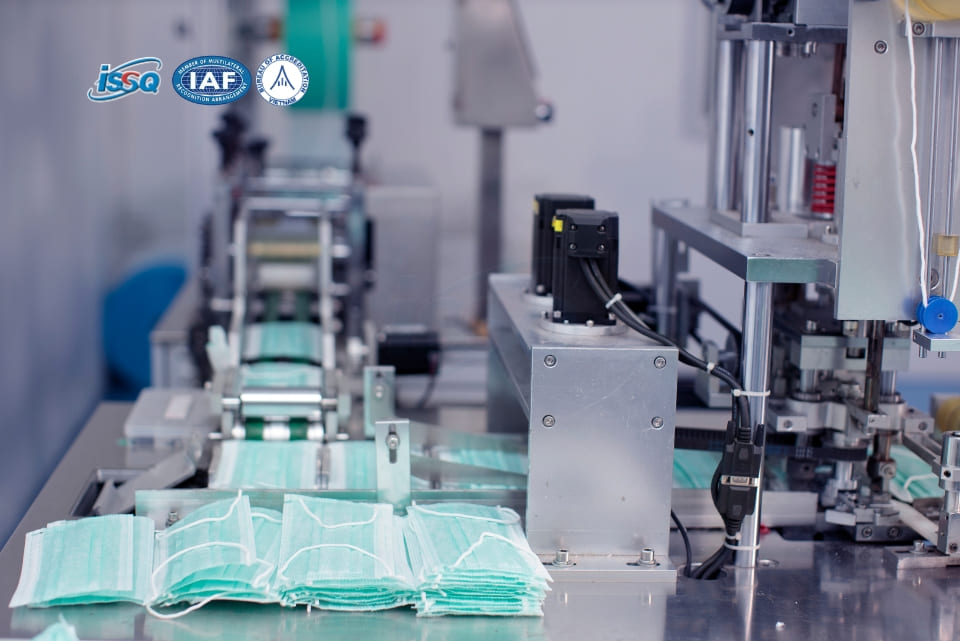
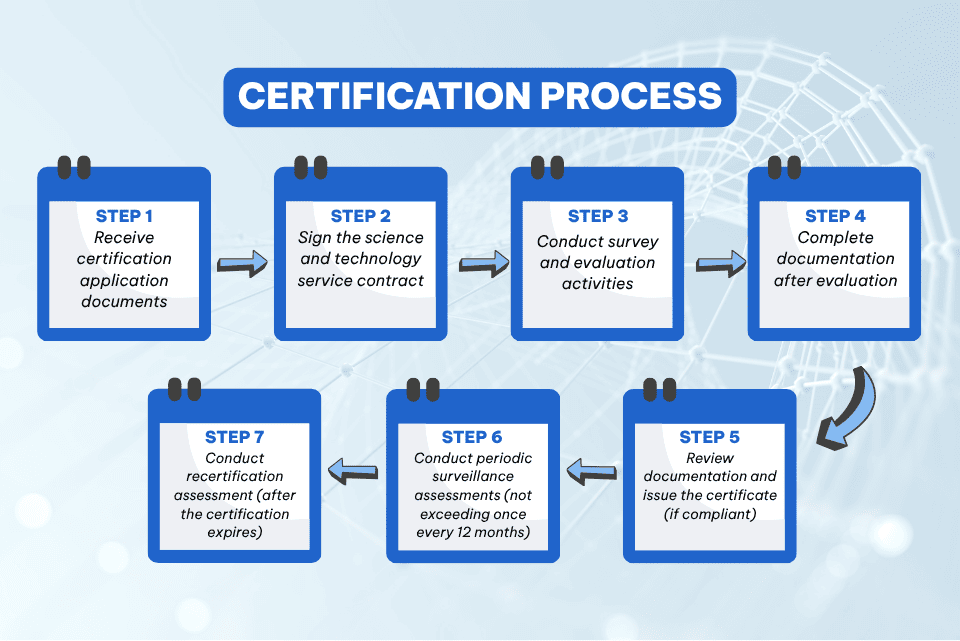
To obtain an ISO 13485 certificate, organizations are generally required to undergo an assessment process consisting of the following steps:
Step 1: Receive and review the certification application dossier.
Step 2: Sign a scientific and technological service contract.
Step 3: Conduct surveys and assessments.
Step 4: Complete post-assessment documentation.
Step 5: Review the dossier and issue the certificate (if requirements are met).
Step 6: Conduct surveillance assessments at intervals not exceeding 12 months.
Step 7: Carry out recertification assessments (upon expiration of the certificate).
Organizations seeking assessment and certification of an ISO 13485 Medical Device Quality Management System are invited to contact the ISSQ Institute Quality via hotline: (+84) 981 851 111 or email: vienchatluong@issq.org.vn | tcvn@issq.org.vn for support with certification procedures.
Publication Date: 27/06/2026


