
INSTITUTE FOR STANDARD AND QUALITY DEVELOPMENT STUDIES


02/10/2026
Textile products are essential consumer goods used frequently and in direct contact with the human body. In addition to requirements regarding style, material, color, and durability, the issue of chemical safety in products is receiving growing attention from consumers and regulatory authorities.
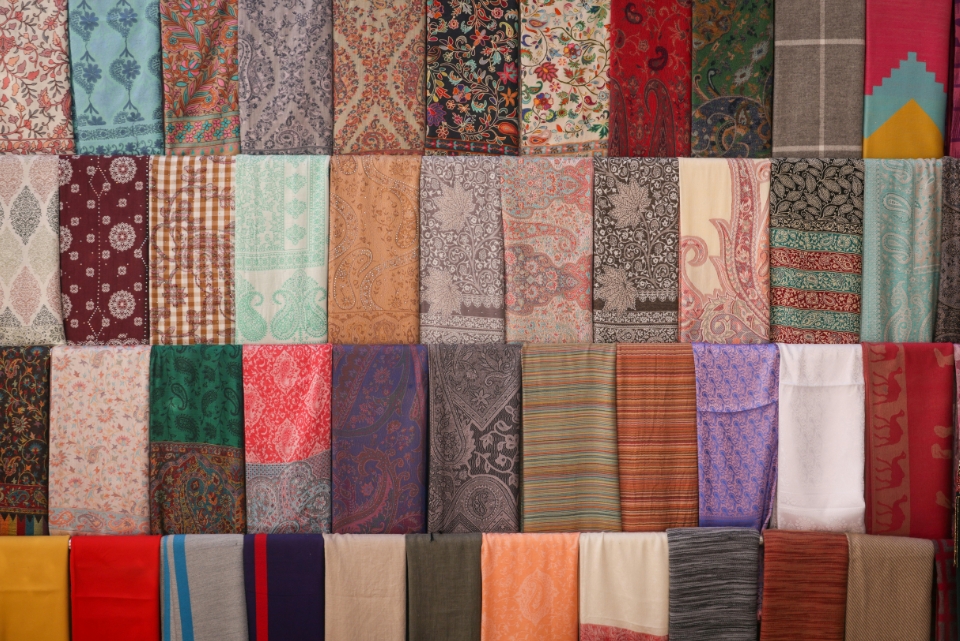
To control risks from chemical residues during manufacturing, dyeing, and finishing processes, the Ministry of Industry and Trade issued QCVN 01:2017/BCT – National Technical Regulation on limits of formaldehyde and certain aromatic amines derived from azo colorants in textile products.
According to regulations, textile products falling within the regulatory scope must fulfill the requirements of the technical regulation before being placed on the Vietnamese market, complete the declaration of conformity, and affix the conformity mark (CR mark) as required.
QCVN 01:2017/BCT is the National Technical Regulation specifying the allowable limits of formaldehyde and certain aromatic amines derived from azo colorants in textile products.
According to the technical regulation, the regulatory scope focuses on the allowable thresholds of these substances in textile products prior to market distribution in Vietnam. The list of covered products is specified in Annex I of the regulation.
Simply put, QCVN 01:2017/BCT establishes a "safety threshold" for specific chemical components that may be present in textile items.
Formaldehyde in Textile Products: Formaldehyde can be used or generated during certain textile processing steps. Therefore, controlling formaldehyde content helps enterprises manage the chemical quality of products before circulation.
Aromatic Amines Derived from Azo Colorants: Azo dyes are widely used for coloration in the textile dyeing industry. Certain azo dyes can break down to form aromatic amines belonging to the regulated group.
QCVN 01:2017/BCT therefore establishes strict limits on aromatic amines derived from azo dyes to mitigate chemical risks in textiles.
Note: Not every fabric-related product automatically falls under the regulatory scope. Enterprises must cross-reference the product catalog in Annex I of QCVN 01:2017/BCT while evaluating HS codes, product nature, and intended purpose to accurately determine compliance obligations.
This is the most critical reason.
For textile products within the scope of QCVN 01:2017/BCT, regulations require products to undergo conformity declaration in accordance with the standard and bear the CR mark before being offered for sale in the Vietnamese market.
Consequently, manufacturing, importing, or trading enterprises must properly identify their liabilities and prepare compliant dossiers.
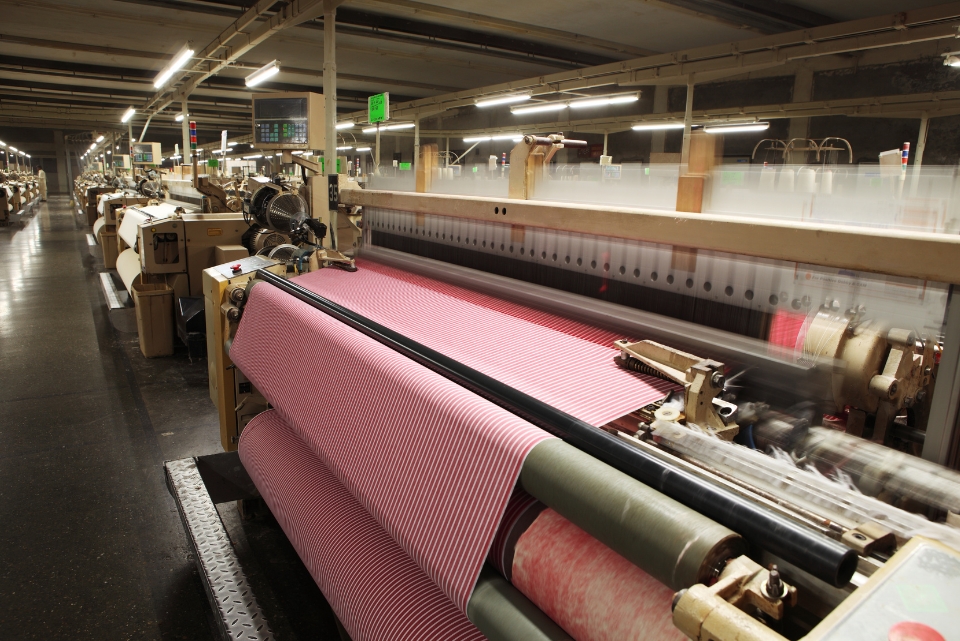
Textile products go through multiple processing stages, including spinning, weaving, dyeing, printing, finishing, and garment assembly.
Each stage can impact the chemical properties of the final product.
Testing and evaluation according to QCVN 01:2017/BCT provide enterprises with a solid foundation to control formaldehyde and aromatic amine levels within regulatory limits.
The Ministry of Industry and Trade also notes that for products sharing the same raw material but featuring different colors or patterns, sampling and assessment may need to account for specific product attributes, as varying colors and patterns often involve different dye formulations.
A textile product with good visual or tactile quality does not automatically meet full legal requirements.
Enterprises must simultaneously address:
Raw material quality;
Manufacturing processes;
Chemical composition;
Test results;
Conformity assessment dossiers;
Declaration of conformity;
Affixing the CR mark per regulations.
Completing the conformity dossier helps enterprises stay proactive during state authority inspections.
In commercial practice, many distributors, fashion brands, and purchasing partners require suppliers to prove product compliance with relevant technical standards or regulations.
Therefore, testing, certification, and conformity declaration dossiers carry both legal significance and value as part of an enterprise's technical capability and quality assurance portfolio.
For businesses sourcing raw materials from multiple vendors, controlling input materials is a vital factor.
Relying solely on final-stage quality checks makes it difficult to manage non-compliance after products are completed.
Conversely, establishing a control mechanism spanning raw materials, dyes, chemicals, and suppliers through to finished goods enables enterprises to minimize non-conformity risks.
The primary benefit of complying with QCVN 01:2017/BCT is safeguarding chemical safety in textile products.
Consumers gain a reliable basis to select products manufactured, imported, and circulated in line with Vietnam's quality management standards.
This is also a core goal of the Ministry of Industry and Trade when establishing limit regulations for formaldehyde and aromatic amines in textiles.
Proactively performing conformity assessments and declarations demonstrates a strong commitment to product quality and corporate responsibility.
For fashion brands, garment manufacturers, importers, and distributors alike, a valid conformity dossier reinforces trust among customers and business partners.
Test results serve not only legal filing requirements but also provide actionable data for enterprises to re-evaluate raw materials, dyes, and production steps.
If test results reveal non-conformities, businesses can trace root causes and adjust processes before launching products onto the market.
Proactively finalizing conformity dossiers better prepares enterprises for market inspections conducted by regulatory agencies.
This is especially important for companies managing large product volumes, numerous stock-keeping units (SKUs), multiple color variants, or imports from various overseas factories.
As consumers place greater emphasis on product origin and safety, enterprises equipped with complete quality management systems and product documentation enjoy smoother collaboration with partners, retail chains, and corporate clients.
For recurring textile imports, the Ministry of Industry and Trade has also issued guidelines regarding origin-based evaluation and utilizing compliant assessment results when filing conformity declarations.
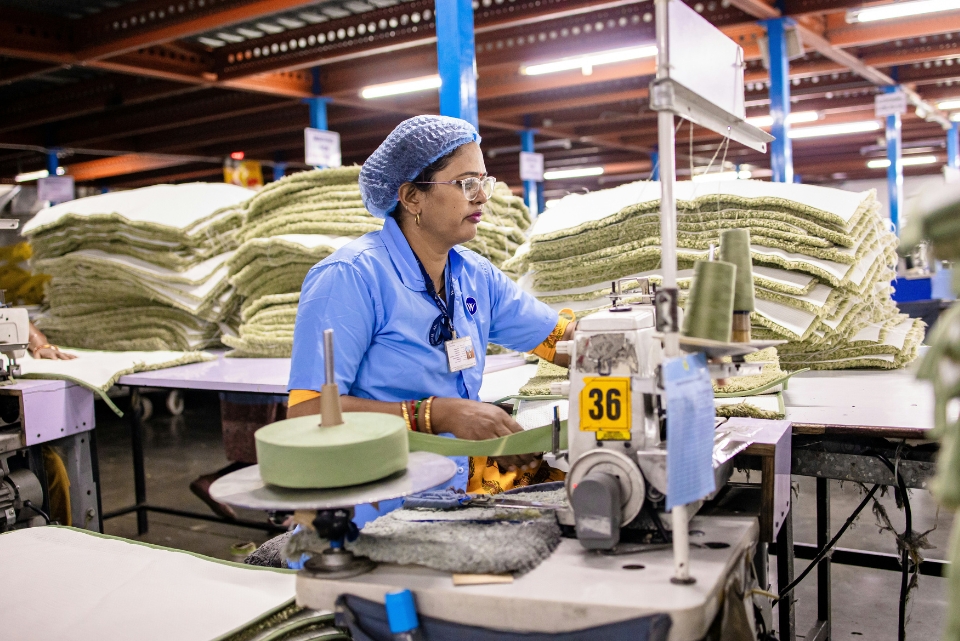
Before proceeding, enterprises should accurately confirm whether their specific products fall under the regulatory scope of QCVN 01:2017/BCT.
Following confirmation, the general workflow includes:
Determine QCVN product scope -> Select assessment method -> Sampling -> Laboratory testing -> Conformity assessment/certification (if applicable) -> Prepare conformity declaration dossier -> Affix CR mark and launch product onto the market.
Enterprises must note that "conformity certification" and "declaration of conformity" are not identical concepts.
According to guidelines from the Ministry of Industry and Trade, a declaration of conformity can be based on self-assessment results (where permitted) or on certification/inspection results from a designated conformity assessment body, depending on the applicable scheme.
Additionally, when garments are manufactured using raw fabric materials that have already undergone conformity declaration, businesses must still verify whether final processing steps introduce additional formaldehyde or aromatic amines. The Ministry of Industry and Trade has issued specific guidance for these cases.
Therefore, enterprises should avoid applying a single rigid procedure to all products, but rather tailor their approach based on product category, raw materials, manufacturing process, HS code, country of origin, and assessment method.
QCVN 01:2017/BCT is an essential technical regulation for covered textile products, strictly controlling formaldehyde and aromatic amines derived from azo dyes prior to market release in Vietnam.
Adhering to these regulatory mandates enables enterprises to improve product quality control, complete legal filings, protect consumers, reduce operational risks during distribution, and build strong brand equity.
Crucially, enterprises must distinguish between conformity certification and declaration of conformity. Third-party certification is not mandatory in every single instance; the core legal obligation is ensuring full compliance and completing the declaration of conformity through an appropriate method under current regulations.
Therefore, prior to manufacturing or importing textile products, enterprises should evaluate the regulatory scope of QCVN 01:2017/BCT, identify the proper assessment method, and prepare technical dossiers early to avoid unnecessary expenses, delays, or legal risks during market entry.
If your company requires support with evaluation and certification for textile products in compliance with QCVN 01:2017/BCT, please contact ISSQ Quality Institute via hotline: +84 981851111 or email: vienchatluong@issq.org.vn | tcvn@issq.org.vn for procedural assistance.


