
INSTITUTE FOR STANDARD AND QUALITY DEVELOPMENT STUDIES


09/11/2026
In recent years, alongside the development of the automotive, motorcycle, transportation, mechanical engineering and industrial manufacturing sectors, Vietnam’s lubricant market has become increasingly dynamic. Lubricants are not merely consumable materials used for vehicle maintenance; they also play an essential role in maintaining operating performance, reducing friction, minimizing wear and tear, and extending engine service life.
The growing number of vehicles, increasing demand for freight transportation, the expansion of logistics activities and the development of industrial production have created a sizeable market for lubricant consumption. Products available on the market are becoming increasingly diverse, ranging from motorcycle engine oils and passenger car engine oils to diesel engine oils for trucks and buses, as well as lubricants used in industrial engines and specialized vehicles.
Alongside international brands, many domestic enterprises are also involved in the production, blending, importation and distribution of lubricants. This has created an increasingly competitive business environment in terms of pricing, product quality, additive technology, technical standards and after-sales services.
However, the rapid growth of the market has also brought about a number of challenges. One of the key concerns is the inconsistent quality of lubricant products, a lack of transparency in technical information, products of unclear origin, and claims about product performance that exceed their actual capabilities.
For consumers, choosing an unsuitable lubricant can affect its ability to lubricate, cool and protect engine components, as well as overall operating performance. For manufacturers, importers and distributors, products that fail to meet technical requirements may expose businesses to the risk of regulatory penalties, product recalls and serious damage to brand reputation.
Against this backdrop, strengthening lubricant quality management through national technical regulations has become increasingly important. In particular, QCVN 14:2018/BKHCN serves as an important technical and legal basis for controlling the quality of lubricants used in internal combustion engines in the Vietnamese market.
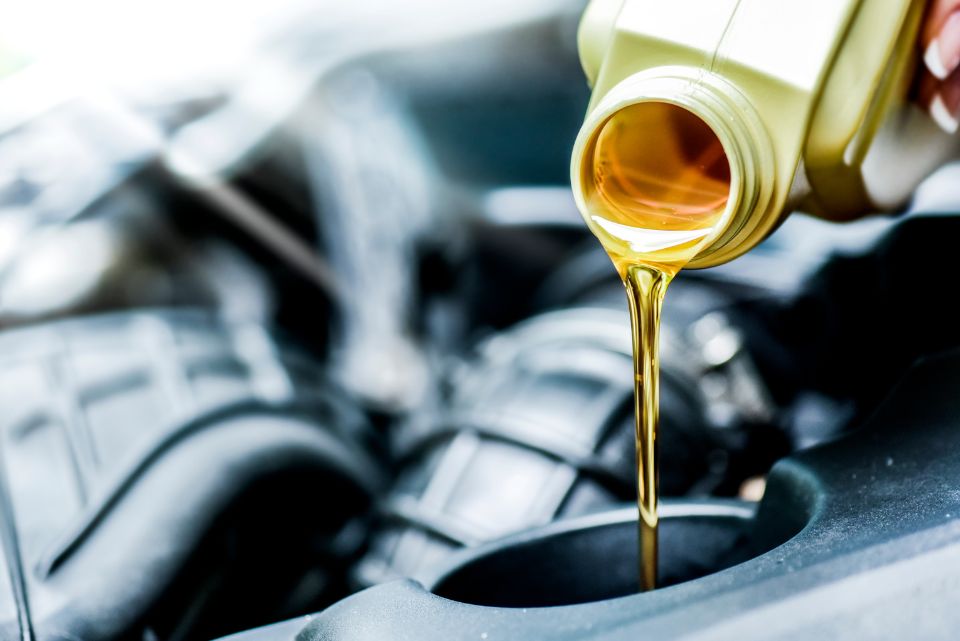
QCVN 14:2018/BKHCN is the National Technical Regulation on Lubricating Oils for Internal Combustion Engines, promulgated by the Ministry of Science and Technology under Circular No. 06/2018/TT-BKHCN dated May 15, 2018.
The regulation specifies limit values for technical indicators and quality management requirements applicable to lubricants used in internal combustion engines. It serves as an important basis for assessing whether products meet the required quality standards before they are manufactured, imported and circulated on the market.
The regulated entities include organizations and individuals involved in the importation, production, blending, distribution and retail of lubricants for internal combustion engines in Vietnam, as well as regulatory authorities and other relevant organizations and individuals.
The regulation does not apply to lubricants for internal combustion engines used for security and national defense purposes.
Notably, in addition to the original version of the regulation, businesses should also study and apply Amendment 1:2018 to QCVN 14:2018/BKHCN to ensure full compliance with the updated requirements.
QCVN 14:2018/BKHCN aims to establish technical limits for controlling the quality of engine lubricants. The assessment focuses on characteristics that directly affect the performance of lubricants under actual operating conditions.
Some notable groups of technical indicators include:
Viscosity characteristics: Assess the ability of the lubricant to maintain an oil film and protect engine components under different temperature and operating conditions.
Temperature characteristics: Control parameters related to the lubricant's performance under both low- and high-temperature conditions.
Stability and engine protection performance: Assess characteristics related to the lubricant's service life, its resistance to quality deterioration and its ability to protect engine components.
Other physicochemical indicators: These are tested in accordance with the relevant test methods and technical limits specified in the regulation.
Product assessment should not be based solely on trade names, brands or advertising claims. Businesses need to accurately compare each type of lubricant against the applicable indicators, test methods and technical limits specified in the current version of the regulation.
QCVN 14 conformity certification is the process of assessing and confirming that lubricants for internal combustion engines conform to the relevant requirements of the national technical regulation.
Through sampling, testing and conformity assessment in accordance with the applicable assessment method, businesses can establish a basis for demonstrating that their products meet the relevant quality management requirements.
It is important to distinguish between the following three concepts:
Testing: Determining the technical characteristics of product samples using specified test methods.
Conformity certification: Confirming that a product conforms to the relevant technical regulation.
Declaration of conformity: The procedure through which an organization or individual declares that its product conforms to the applicable technical regulation in accordance with legal requirements.
Therefore, satisfactory test results do not necessarily mean that a business has completed all the required conformity certification and declaration procedures.

This is one of the most important reasons why businesses involved in the production, blending, importation and trading of lubricants pay attention to QCVN 14:2018/BKHCN.
For products falling within the scope of the regulation, businesses must fulfill the corresponding quality management obligations, including conformity assessment, certification and declaration of conformity in accordance with the methods and procedures prescribed by law.
Proactively fulfilling these requirements helps businesses reduce the risk of violations during the production, importation and distribution of goods.
It also facilitates cooperation with state regulatory authorities, business partners and distribution networks.
Lubricants have a direct impact on engine performance and service life. Using lubricants that fail to meet technical requirements may lead to problems such as increased friction, wear and tear, deposit formation and reduced operating efficiency.
By controlling technical indicators in accordance with QCVN 14:2018/BKHCN, businesses can identify potential issues in their blending formulations, raw material sources or production processes.
This also provides a basis for improving product consistency across different batches and reducing the risk of substandard products reaching consumers.
As consumers become increasingly concerned about product origins and quality, demonstrating that lubricants comply with national technical regulations represents a significant competitive advantage.
Conformity certification provides businesses with additional grounds for ensuring transparency in product quality information, strengthening customer confidence and enhancing brand image.
For businesses developing dealer and distributor networks or seeking partnerships with major business partners, conformity certification and declaration documents also demonstrate professionalism in product management.
For manufacturers and lubricant blenders, quality control in accordance with the regulation helps identify deviations in product composition, technical characteristics and finished-product quality at an early stage.
For importers, conformity assessment helps control the quality of goods supplied by overseas manufacturers and reduces the risk of receiving shipments that fail to meet requirements in Vietnam.
Establishing a systematic quality control process also helps businesses minimize costs arising from complaints, product returns, recalls and commercial disputes.
Conformity certification is not merely a procedural requirement; it can also become part of a business's long-term quality management strategy.
When businesses focus on controlling incoming raw materials, blending processes, finished-product testing and quality monitoring, their production activities become more consistent and traceable.
This provides a foundation for businesses to gradually enhance their technological capabilities, improve their products and adapt to increasingly demanding market requirements.

To effectively implement QCVN 14:2018/BKHCN, businesses need to develop a coordinated implementation plan rather than focusing solely on completing certification documentation.
First, accurately review the applicable scope.
Businesses need to clearly determine whether their products fall within the scope of QCVN 14:2018/BKHCN. Products should be classified according to their intended use, lubricant type, technical characteristics and product documentation. Businesses should not automatically assume that all industrial oils, hydraulic oils or lubricants fall within the scope of this regulation.
Second, keep legal documents and regulations up to date.
Businesses should review Circular No. 06/2018/TT-BKHCN, Amendment 1:2018 and current regulations on product and goods quality management. Particular attention should be paid to updated requirements concerning the quality inspection of imported goods and conformity assessment activities.
Third, select an appropriate certification body and testing laboratory.
The selection of a conformity assessment body should be based on its professional competence, registered or designated scope of activities in accordance with applicable regulations, testing laboratory capabilities and experience in assessing lubricant products. Businesses should carefully verify the permitted scope of activities of the organization before signing a service contract.
Fourth, standardize internal quality control procedures.
Businesses should establish quality control procedures covering every stage, from incoming raw materials and blending to packaging, storage and finished products. Each product batch should have clear identification records, inspection results and traceability information.
Fifth, maintain product quality after certification.
Conformity certification should not be regarded as the final destination. Businesses need to maintain monitoring activities and periodic inspections, control changes to raw materials and blending formulations, and fulfill relevant obligations concerning the conformity mark, product labeling and declaration of conformity in accordance with applicable regulations.
Sixth, proactively develop a long-term quality strategy.
In addition to meeting the requirements of QCVN 14:2018/BKHCN, businesses should gradually establish quality management systems, strengthen testing capabilities and develop a team of qualified technical personnel. These measures help businesses not only comply with regulations but also create genuine competitive value.
QCVN 14:2018/BKHCN plays an important role in managing the quality of lubricants for internal combustion engines in Vietnam. Compliance with the regulation not only helps businesses fulfill their legal obligations but also contributes to product quality control, consumer protection and the development of market confidence.
In an increasingly competitive environment, businesses should view conformity certification as a tool for quality management and long-term brand development. Proactively keeping up with regulatory requirements, controlling production processes and maintaining product conformity are important factors in helping businesses achieve stable, transparent and sustainable growth.
If your company requires conformity assessment and certification under QCVN 14:2018/BKHCN, please contact the Institute for Standard and Quality Development Studies (ISSQ Institute) via our hotline: +84 981851111 or email: vienchatluong@issq.org.vn | tcvn@issq.org.vn for assistance with the relevant procedures.


