
INSTITUTE FOR STANDARD AND QUALITY DEVELOPMENT STUDIES


24/10/2026
In an increasingly competitive market, businesses need not only to improve the quality of their products and services but also to prioritize environmental protection and ensure the occupational health and safety of their employees. These are important factors that contribute to brand development, enhanced competitiveness, and sustainable growth.
To meet these requirements simultaneously, integrating ISO 9001, ISO 14001, and ISO 45001 is becoming an increasingly attractive management solution for many businesses. Instead of operating three independent management systems, businesses can establish an Integrated Management System (IMS) to standardize processes, optimize resources, and improve operational efficiency.
So, what is the current situation regarding the implementation of ISO management systems in businesses? What advantages does integrating ISO 9001, ISO 14001, and ISO 45001 offer? Let's explore these questions with ISSQ Quality Institute in the following article.
As businesses develop, many have recognized the importance of management systems based on international ISO standards. Implementing these standards not only supports assessment and certification activities but also helps businesses standardize processes, control risks, and continuously improve operational efficiency.
Among them, three management system standards have attracted considerable attention from businesses:

ISO 9001 – Quality Management System
Focuses on process control, meeting customer requirements, improving customer satisfaction, and continuously enhancing the quality of products and services.
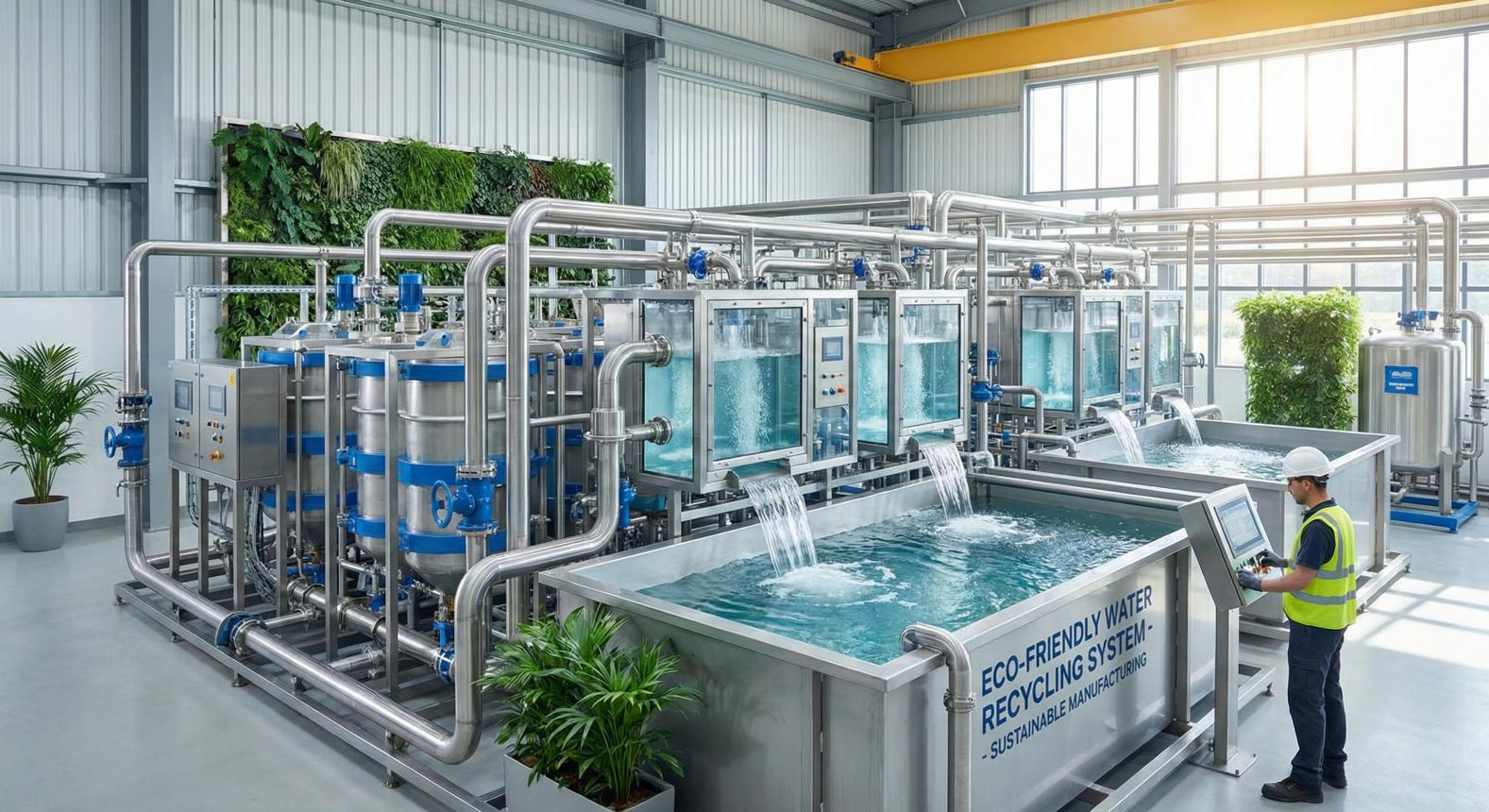
ISO 14001 – Environmental Management System
Helps businesses identify and manage environmental aspects, control the environmental impacts of production and business activities, and fulfill relevant compliance obligations.

ISO 45001 – Occupational Health and Safety Management System
Aims to identify hazards, minimize occupational health and safety risks, and prevent work-related injuries and ill health.
Each standard has its own management objectives and scope, but all aim to improve operational efficiency, control risks, and promote continuous improvement.
In particular, for businesses operating in manufacturing, construction, mechanical engineering, food processing, logistics, and other industries involving significant risks, implementing all three management systems simultaneously can deliver practical benefits.
In practice, many businesses implement individual ISO management systems at different stages, depending on their management needs or the requirements of customers and business partners.
For example, a business may first implement ISO 9001 to standardize quality management, then introduce ISO 14001 to control environmental impacts, and subsequently adopt ISO 45001 to improve occupational safety conditions.
However, without effective integration, operating these systems independently may lead to several limitations.
First, overlapping documentation and procedures. Each management system may establish separate procedures for document control, internal audits, nonconformity management, and management reviews. This increases the administrative workload.
Second, fragmented management resources. Businesses must assign responsible personnel, organize training, conduct audits, and maintain each system separately, making coordination between departments more difficult.
Third, inconsistent risk control. A single production activity may simultaneously affect product quality, the environment, and occupational safety. If each management system conducts separate assessments, businesses may overlook important relationships between these risks.
Fourth, increased operating costs. Organizing multiple internal audits, management meetings, and separate control activities may require additional time, personnel, and financial resources.
These limitations indicate that businesses need a more coordinated management approach rather than focusing solely on meeting the requirements of each standard independently.
An Integrated Management System (IMS) is a management model that combines the requirements of multiple management system standards into a unified operational framework.
For ISO 9001, ISO 14001, and ISO 45001, integration is facilitated by their similar management system structures, which share common elements such as:
- Organizational context and interested parties.
- Leadership, policies, and responsibilities.
- Planning objectives, risks, and opportunities.
- Management of resources, competence, and documented information.
- Operational control, performance evaluation, and improvement.
As a result, businesses can establish a unified management system while ensuring that the specific requirements of each standard are fully addressed.
Importantly, integration does not mean eliminating the differences between the three systems. Specific requirements relating to quality, environmental aspects, and occupational health and safety hazards must still be appropriately identified, controlled, and evaluated.

One of the most significant benefits of integrating ISO 9001, ISO 14001, and ISO 45001 is the ability to unify management activities throughout an organization.
Instead of developing three separate sets of procedures, businesses can establish common processes for document management, employee training, internal audits, nonconformity management, and corrective actions.
For example, during supplier management, businesses can simultaneously consider raw material quality, environmental requirements, and contractor safety conditions.
This approach helps reduce duplication, strengthen coordination between departments, and enable management to comprehensively monitor production and business operations.
When operating three separate management systems, businesses may need to allocate considerable time and resources to similar activities.
Integration helps optimize tasks that can be performed jointly, such as internal audit planning, employee training, record control, and management reviews.
In particular, businesses can develop an integrated audit program in which the requirements of all three standards are assessed during the same audit.
This can reduce preparation time, minimize disruptions to production activities, and improve the efficiency of human resource utilization.
However, actual cost savings depend on business size, the degree of integration, certification scope, and the selected audit approach.
In a production environment, a single incident can simultaneously affect multiple aspects of management.
For example, a chemical leak may disrupt production, affect product quality, cause environmental pollution, and threaten employee health.
By implementing an integrated management system, businesses can examine incidents from multiple perspectives, identify their causes, and implement coordinated control measures.
Through this approach, businesses can:
- Proactively identify risks in production and business activities.
- Develop appropriate preventive and response measures.
- Minimize incidents affecting quality, the environment, and occupational safety.
- Improve business continuity and adaptability to change.
Comprehensive risk management helps businesses shift from reactive incident handling to proactive risk prevention.
ISO 9001, ISO 14001, and ISO 45001 complement one another in business management activities. Integrated Management – Risk Control – Continuous Improvement
When effectively implemented, an integrated management system enables businesses to simultaneously control product quality, use resources efficiently, minimize negative environmental impacts, and improve working conditions.
This also provides an important foundation for building a corporate culture focused on responsibility, safety, and sustainable development.
In commercial partnerships, customers and business partners are increasingly concerned about suppliers' quality management capabilities, environmental responsibilities, and working conditions.
Establishing an integrated management system and obtaining certification against the relevant standards can help businesses demonstrate their commitment to professional management.
In particular, for businesses participating in supply chains, export activities, or project bidding, ISO certifications can provide a competitive advantage when partners specify management system requirements.
However, ISO certification does not automatically guarantee that a business will be selected as a supplier or that it meets all legal requirements.
The core value lies in the ability to maintain an effective management system and achieve meaningful improvements.
Sustainable development is not merely a long-term objective; it must also be reflected in daily management activities.
Integrating ISO 9001, ISO 14001, and ISO 45001 helps businesses align their objectives relating to business efficiency, environmental protection, and employee responsibility.
At the same time, an integrated management system can provide a governance foundation that supports ESG (Environmental, Social, and Governance) strategies.
Although these three standards do not replace specialized ESG reporting or assessment requirements, they help businesses systematically manage data, define responsibilities, and improve operational performance.

To ensure effective integration, businesses should begin by assessing the current state of their existing management systems, identifying common requirements and areas that require separate controls.
Next, businesses should establish unified management policies, objectives, and procedures, clearly assign responsibilities, and ensure the participation of both leadership and employees.
Internal audits, management reviews, and improvement activities should be conducted periodically to determine the extent to which each standard's requirements are being met.
In particular, businesses should pay attention to updates to the applicable versions of the standards. As of October 2026, ISO has published ISO 9001:2026 and ISO 14001:2026, while ISO 45001:2018 remains the published version of ISO 45001. Transitions to updated versions and related certification activities should follow the applicable guidance and transition deadlines.
With the aim of helping businesses enhance their management capabilities and achieve sustainable development, the Institute for Standards and Quality Research and Development (ISSQ Quality Institute) provides management system assessment and certification services based on ISO standards, including ISO 9001, ISO 14001, and ISO 45001.
Through conformity assessment and certification activities, ISSQ Quality Institute supports businesses in verifying their compliance with applicable standards, promoting continuous improvement of management systems, and strengthening the confidence of customers and business partners.
Integrating ISO 9001, ISO 14001, and ISO 45001 is not simply about combining three sets of standards. It represents an important step toward a more unified, efficient, and sustainable management approach.
Businesses interested in learning more about ISO 9001, ISO 14001, and ISO 45001 management system assessment and certification services can contact ISSQ Quality Institute for assistance with the relevant certification procedures. Hotline: +84 981851111 or email vienchatluong@issq.org.vn | tcvn@issq.org.vn for further assistance.


