
INSTITUTE FOR STANDARD AND QUALITY DEVELOPMENT STUDIES


23/11/2026
Food safety has become one of the most pressing concerns worldwide. Alongside the development of the food processing, manufacturing, and trading industries, supply chains have expanded significantly, connecting multiple countries, raw material sourcing regions, manufacturers, transportation providers, storage facilities, and distribution networks. This development creates numerous economic opportunities but also presents major challenges in quality control and food safety assurance.
In practice, food safety hazards can arise at any stage, from raw material selection, preliminary processing, manufacturing, packaging, and storage to transportation and consumption. Factors such as microbial contamination, chemical residues, heavy metals, the use of raw materials of unknown origin, inadequate factory hygiene conditions, or insufficient temperature control procedures can directly affect product quality and consumer health.
Notably, food safety incidents not only cause economic losses but also seriously damage brand reputation, business continuity, and competitiveness. As consumers become increasingly concerned about product origin, quality, and transparency, food safety control requirements have become essential conditions for businesses seeking to participate in domestic and international supply chains.
Against this backdrop, adopting international management standards has become a practical solution for businesses to proactively control risks. Among these standards, ISO 9001:2026 and ISO 22000 are highly complementary. While ISO 9001:2026 focuses on establishing a quality management system and controlling process consistency and effectiveness, ISO 22000 aims to establish a food safety management system throughout the food chain.
Integrating these two standards not only enables businesses to better control production activities but also establishes a coordinated management framework, enhances traceability, prevents incidents, and strengthens customer confidence.
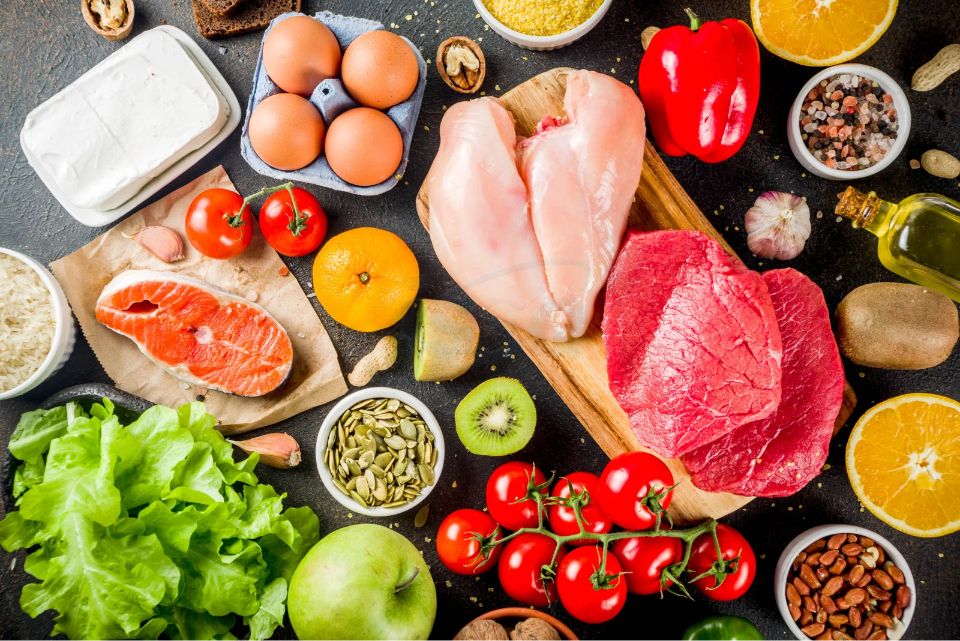
ISO 9001:2026 is the new edition of the international quality management system standard, published by the International Organization for Standardization (ISO) on September 16, 2026, replacing ISO 9001:2015. The standard provides a management framework that helps organizations control processes, meet customer requirements, improve operational effectiveness, and achieve continual improvement.
For businesses engaged in food manufacturing, processing, and trading, ISO 9001:2026 plays an important role in standardizing operational procedures, defining responsibilities, and ensuring consistent product quality control.
First, standardizing production processes and quality control.
ISO 9001:2026 requires businesses to identify, manage, and control processes that affect product quality. In the food industry, this is demonstrated through the establishment of procedures for raw material reception, incoming quality inspection, preliminary processing, manufacturing, packaging, storage, and distribution.
Each stage should have specific control criteria, operating instructions, and evaluation methods. This enables businesses to minimize inconsistent operations, reduce production errors, and improve the stability of finished products.
Second, strengthening risk and opportunity management.
One of the notable aspects of ISO 9001:2026 is its continued emphasis on risk-based thinking, while further clarifying the identification and utilization of improvement opportunities.
In food production, businesses can proactively identify risks associated with raw material quality, supplier capabilities, equipment failures, production disruptions, or fluctuations in market demand. Based on these assessments, appropriate control, prevention, and response measures can be developed.
Third, enhancing leadership accountability and personnel competence.
ISO 9001:2026 emphasizes leadership, quality culture, and organizational accountability. These factors are particularly important in the food industry, where employee awareness and competence directly influence product quality.
Businesses need to establish clear responsibility assignments, provide personnel training, enhance quality awareness, and create a working environment that promotes compliance.
Fourth, strengthening evaluation and continual improvement.
Through internal audits, data analysis, management reviews, and the handling of nonconformities, businesses can identify weaknesses in production processes, promptly implement corrective actions, and improve operational effectiveness.
Therefore, ISO 9001:2026 establishes a comprehensive quality management foundation, enabling food businesses to systematically and scientifically control production activities while pursuing sustainable development.
While ISO 9001:2026 focuses on overall quality management, ISO 22000 is a specialized standard for Food Safety Management Systems (FSMS).
ISO 22000:2018 specifies requirements for organizations operating within the food chain, including raw material producers, food processing facilities, manufacturers of food-contact packaging, transportation providers, storage facilities, and food trading and distribution organizations.
A key feature of ISO 22000 is its integration of HACCP principles (Hazard Analysis and Critical Control Points), prerequisite programmes (PRPs), interactive communication, and system management to control food safety hazards throughout the supply chain.
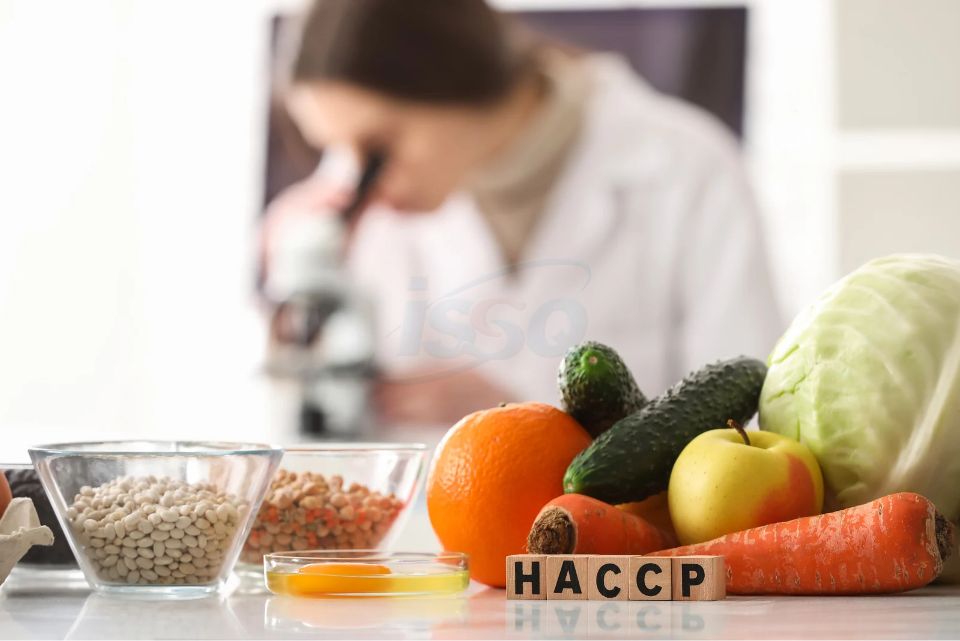
Controlling Hazards from Incoming Raw Materials
ISO 22000 requires businesses to identify and assess biological, chemical, and physical hazards that may occur in raw materials, processing activities, and finished products.
Supplier control, raw material origin assessment, inspection of receiving conditions, and the establishment of acceptance criteria help reduce the risk of introducing unsafe elements into production lines.
Controlling Processing and Storage Stages
Through hazard analysis and the identification of appropriate control measures, businesses can establish programmes to manage hygiene conditions, temperature, processing time, cross-contamination prevention, and critical control points (CCPs) where necessary.
This provides an important foundation for preventing food safety hazards rather than relying solely on finished-product inspection.
Enhancing Traceability and Incident Response Capabilities
ISO 22000 emphasizes the establishment of information systems, batch identification, and traceability of raw materials, semi-finished products, and finished products. When an incident occurs, businesses can quickly determine the extent of its impact, isolate affected products, and implement product recall procedures when necessary.
Strengthening Coordination Among Supply Chain Participants
Food safety is not solely the responsibility of manufacturers; it requires coordination among all participating parties. ISO 22000 promotes communication of food safety requirements among suppliers, processing businesses, logistics providers, distributors, and customers.
As a result, requirements concerning storage, transportation, hygiene, and quality control can be maintained consistently from input to output.
ISO 22000 therefore helps businesses transition from isolated quality inspections to a systematic, preventive risk management approach that supports food safety throughout the entire value chain.
In food manufacturing and trading, product quality and food safety are closely related but not entirely identical. A product may meet sensory, weight, packaging, and technical specifications while still posing safety risks if biological, chemical, and physical hazards are not adequately controlled.
Therefore, implementing each management system separately may result in duplicated efforts in record management, training, auditing, and operational control. Integrating ISO 9001:2026 with ISO 22000 provides a solution for establishing a unified management system in which quality and food safety are controlled simultaneously.
First, harmonizing management systems and operational processes.
Both standards adopt the Harmonized Structure, facilitating the integration of requirements related to organizational context, leadership, planning, resources, operations, performance evaluation, and improvement.
Businesses can establish a common management documentation system, harmonize policies, objectives, record control procedures, internal audits, and management reviews, while incorporating specialized HACCP and food safety control procedures in accordance with ISO 22000.
Second, simultaneously controlling product quality and safety.
ISO 9001:2026 helps businesses maintain process consistency and meet customer requirements. Meanwhile, ISO 22000 focuses on controlling hazards that may affect consumer health.
Through integration, businesses can comprehensively control raw material quality, production conditions, product conformity, and food safety criteria. This helps reduce errors, minimize nonconforming products, and improve market confidence.
Third, improving management effectiveness and optimizing costs.
Integrating the two systems helps businesses reduce duplication in documentation development, training, internal audits, and resource management. Instead of maintaining two independent management structures, businesses can establish an integrated management system with clearly assigned responsibilities.
At the same time, proactive risk prevention helps reduce costs associated with incident handling, product recalls, rejected products, and production disruptions.
Fourth, strengthening brand reputation and expanding market opportunities.
As retailers, international partners, and consumers increasingly emphasize product transparency, implementing ISO 9001:2026 and ISO 22000 demonstrates a business's quality management capabilities and commitment to food safety control.
This also provides an advantage when participating in tenders, supplier selection processes, business partnerships, or distribution networks with stringent management requirements.
For effective implementation, businesses can follow these basic steps:
Current-State Assessment: Review existing management systems, production processes, personnel competence, and applicable food safety legal requirements.
Determining the Integration Scope: Identify the products, factories, production lines, and activities covered by the two standards.
Gap Analysis: Compare existing practices against ISO 9001:2026 and ISO 22000 requirements to identify areas requiring supplementation or improvement.
Developing an Integrated Management System: Establish policies, objectives, procedures, forms, hazard control plans, and quality management programmes.
Training and Implementation: Enhance awareness among leadership, employees, QA/QC personnel, production teams, warehouse and logistics staff, and other relevant positions.
Internal Auditing and Corrective Actions: Evaluate system implementation, identify nonconformities, and implement corrective actions.
Certification Audit: Select a competent certification body and undergo an assessment within the registered certification scope.
Integration should be implemented according to each business's operational characteristics, size, and risk levels, avoiding mechanical application or an excessive focus on documentation solely for certification purposes.
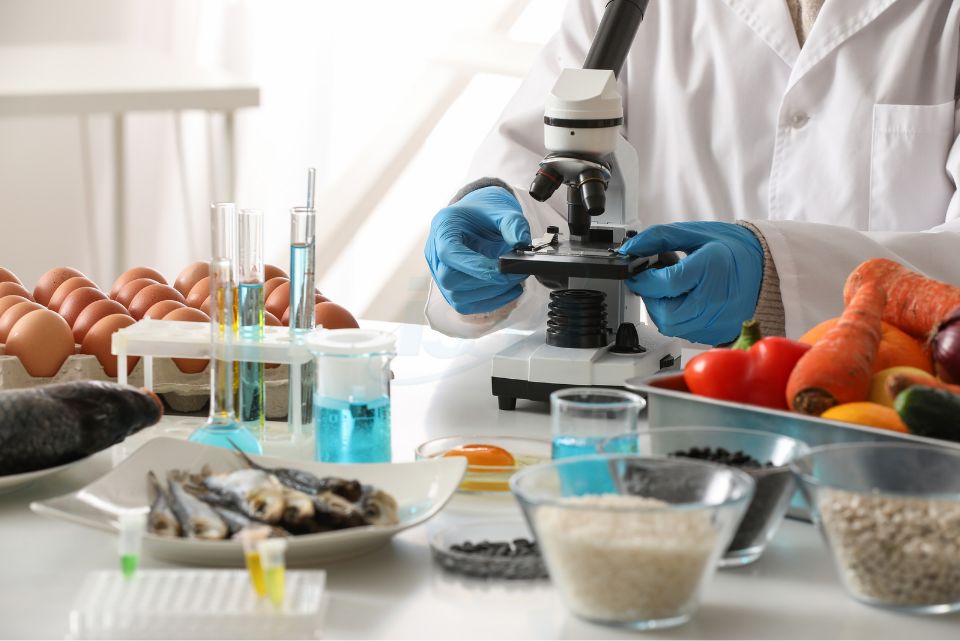
In response to increasingly demanding market requirements, food manufacturing and trading businesses need to shift their approach from finished-product quality inspection to preventive management throughout the entire supply chain.
First, business leaders should recognize food safety as a strategic management responsibility rather than solely a task assigned to QA/QC departments. Resource allocation, equipment investment, factory condition improvements, and personnel training should be carried out regularly.
In addition, businesses need to strengthen supplier evaluation and control, establish traceability systems, apply technology to data management, and develop incident response plans. Compliance with ISO standards should also be closely linked to applicable legal requirements concerning food safety, testing, and product declarations.
In particular, businesses currently applying ISO 9001:2015 should proactively study ISO 9001:2026, assess the necessary updates, and develop appropriate transition plans. Early preparation will help businesses maintain management system continuity and take better advantage of improvements introduced in the new edition.
Consulting, training, auditing, and certification organizations should continue supporting businesses in raising awareness, providing implementation guidance, and evaluating management system effectiveness, ensuring that standards are applied meaningfully rather than merely as a formality.
Integrating ISO 9001:2026 with ISO 22000 represents a practical approach for businesses engaged in food manufacturing, processing, and trading. The two standards complement each other, establishing a coordinated management foundation that combines product quality, food safety, and operational effectiveness.
As supply chains become increasingly complex, establishing an integrated management system not only helps businesses control risks and optimize resources but also enhances brand reputation, strengthens customer confidence, and improves competitiveness in domestic and international markets.
This is more than a solution for meeting standard requirements; it is a long-term investment in the professional, transparent, and sustainable development of Vietnam's food industry.
Companies seeking ISO 22000 and ISO 9001:2026 certification assessments are welcome to contact the ISSQ Institute of Quality for assistance with certification procedures.
Hotline: +84 981851111
Email: vienchatluong@issq.org.vn | tcvn@issq.org.vn


