Tiêu chuẩn hữu cơ Việt Nam là gì?
Giống như nhiều nước trên thế giới, nông nghiệp hữu cơ đang là xu hướng phổ biến và rất được ưa chuộng. Nhận thức rõ điều này, Bộ Khoa học và Công nghệ từ lâu đã nghiên cứu, biên soạn và công bố chính thức Tiêu chuẩn hữu cơ Việt Nam ISO 11041:2017 dành cho các tổ chức sản xuất, trồng trọt, chăn nuôi hữu cơ.
Bộ tiêu chuẩn nông nghiệp hữu cơ TCVN 11041:2017 sẽ bao gồm 8 phần như sau:
- TCVN 11041-1:2017 Phần 1:Yêu cầu chung đối với sản xuất, chế biến, ghi nhãn sản phẩm nông nghiệp hữu cơ.
- TCVN 11041-2:2017 Phần 2: Trồng trọt hữu cơ
- TCVN 11041-3:2017 Phần 3: Chăn nuôi hữu cơ
- TCVN 11041-4:2017 Phần 4: Yêu cầu đối với các tổ chức đánh giá chứng nhận hệ thống sản xuất và chế biến sản phẩm hữu cơ.
Ngoài ra sẽ có một số tiêu chuẩn cho các sản phẩm đặc thù:
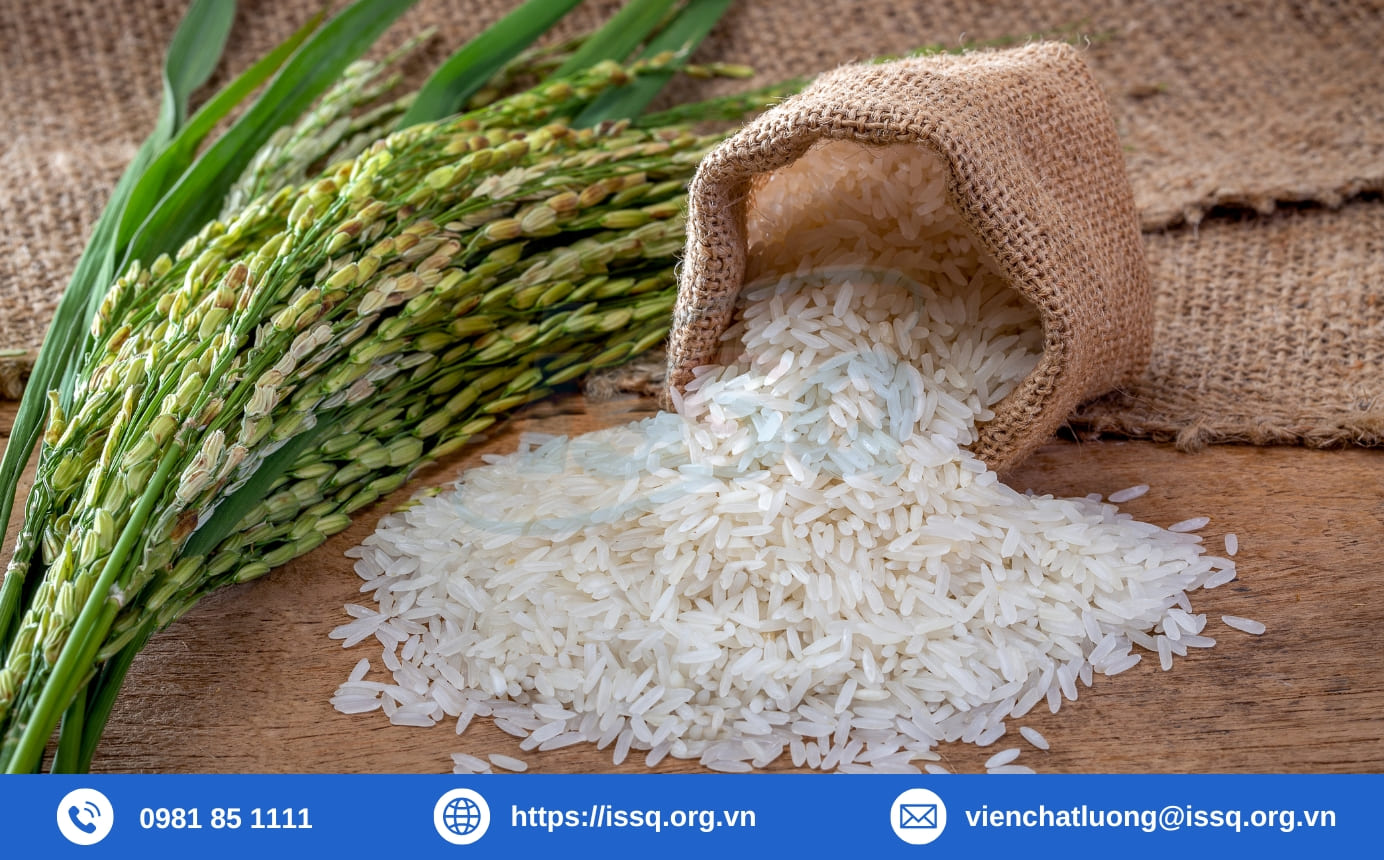
- TCVN 11041-5:2017 Phần 5: Gạo hữu cơ (Quy định về quá trình trồng lúa, chăm sóc, thu hoạch và chế biến thành phẩm)
- TCVN 11041-6:2018 Phần 6: Chè hữu cơ
- TCVN 11041-7:2018 Phần 7: Sữa hữu cơ
- TCVN 11041-8:2018 Phần 8: Tôm hữu cơ
- TCVN 11041-9:2023 Phần 9 : Mật ong hữu cơ.
- TCVN 11041-10:2023 Phần 10: Rong biển hữu cơ
- TCVN 11041-11:2023 về nấm hữu cơ, TCVN 11041-12:2023 về rau mầm hữu cơ và TCVN 11041-13:2023 về trồng trọt hữu cơ trong nhà màng, thùng chứa.
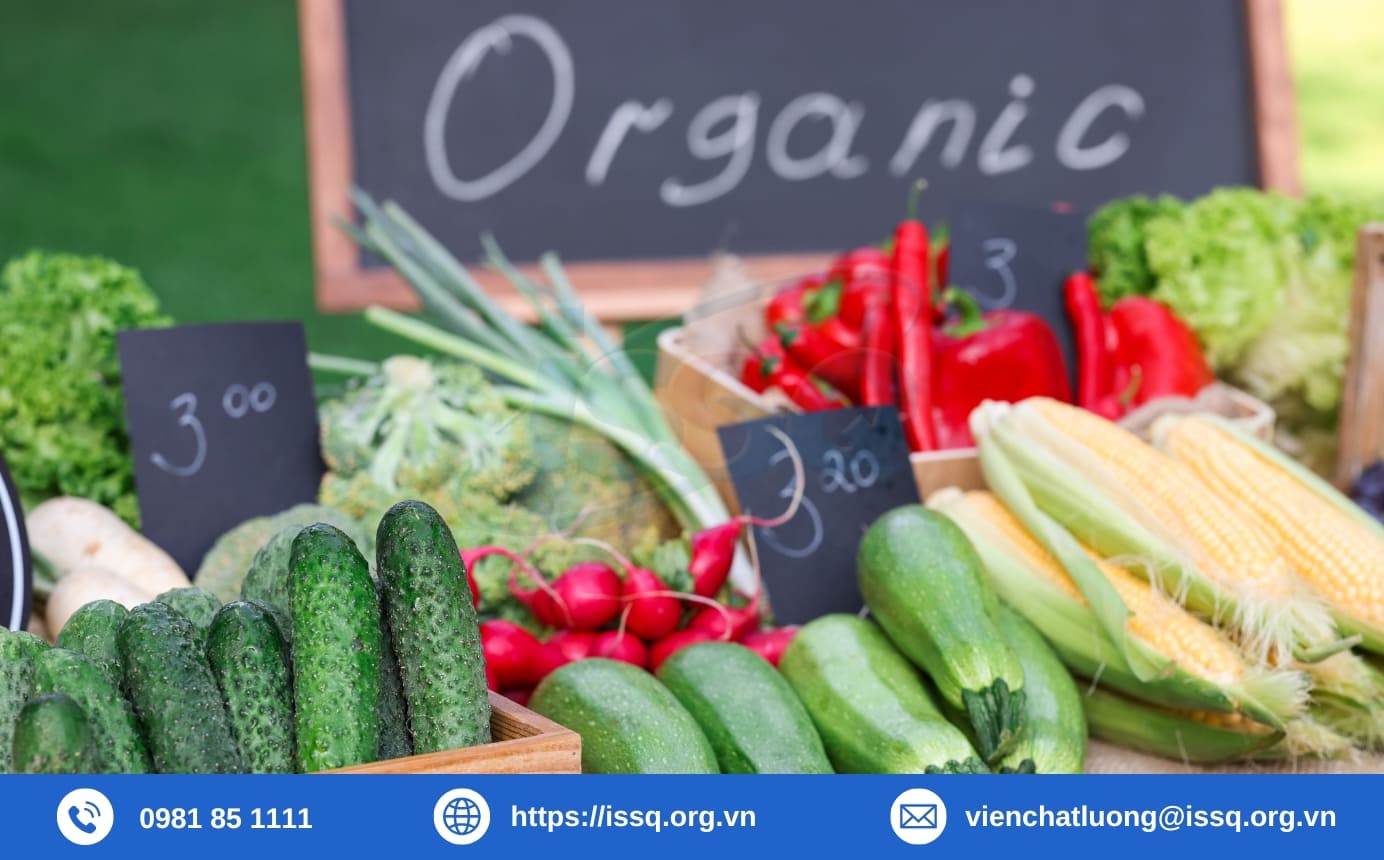
Khi đáp ứng đầy đủ các tiêu chí cho từng bộ phận, từng lĩnh vực quy định trong bộ tiêu chuẩn, sản phẩm sẽ được chứng nhận hữu cơ và được phép sử dụng nhãn dán có biểu tượng Organic. Thông qua đó, bạn có thể xác định được sản phẩm hữu cơ nào có chất lượng tốt nhất và nên mua. Nói cách khác, đây là cơ hội để người nông dân đưa sản phẩm của mình đến gần hơn với người tiêu dùng.
Mặc dù có nhiều cơ hội nhưng trên thực tế, chứng nhận hữu cơ của Việt Nam cũng đứng trước thách thức không nhỏ từ các tiêu chuẩn quốc tế khác, nổi bật là USDA của Mỹ, JAS của Nhật Bản, Organic EU của Châu Âu. Điều này đòi hỏi phải có chứng nhận để nhận được sự hỗ trợ tích cực hơn nữa từ Chính phủ trong thời gian tới, nhằm tăng sức cạnh tranh của nông nghiệp hữu cơ Việt Nam trên thị trường quốc tế.
Một số chỉ tiêu cơ bản của tiêu chuẩn hữu cơ Việt Nam
Tiêu chuẩn hữu cơ Việt Nam bao gồm nhiều tiêu chí khác nhau được áp dụng riêng cho từng lĩnh vực như sản xuất, chế biến, trồng trọt, chăn nuôi... Tuy nhiên, về cơ bản sẽ cần có một số tiêu chuẩn chung như sau:
- Nguồn nước sử dụng trong quá trình trồng trọt, chăn nuôi, trồng trọt phải là nước sạch, có nguồn gốc rõ ràng, không bị ô nhiễm và phù hợp với các tiêu chí quy định tại Bộ tiêu chuẩn sản xuất rau an toàn của TCVN 5942:1995.
- Khu vực sản xuất sản phẩm hữu cơ phải được thiết kế để cách ly tốt nhất các nguồn ô nhiễm.
- Cấm sử dụng phân bón hóa học, thuốc bảo vệ thực vật, thuốc kích thích tăng trưởng... mà chỉ sử dụng vật tư đầu vào đã được cơ quan có thẩm quyền đăng ký và cấp phép sử dụng.
- Cấm sử dụng phân người và phân hữu cơ từ rác thải đô thị.
- Phân động vật từ bên ngoài khi sử dụng trong trang trại phải trải qua quá trình xử lý nhiệt trước khi sử dụng.
- Không sử dụng túi, thùng chứa chất cấm để vận chuyển, bảo quản sản phẩm hữu cơ.
- Không đốt cành cây, rơm rạ trừ khi áp dụng phương pháp canh tác nương rẫy truyền thống.
- Đầu vào có chứa GMO không được phép.
- Không được phép canh tác song song và cây trồng trên đất canh tác hữu cơ khác với cây trồng trên đất thông thường.
- Trong canh tác hữu cơ, nơi các chất bị cấm được sử dụng trên vùng đất liền kề, trang trại phải thiết kế vùng đệm để ngăn chặn sự ô nhiễm của các chất này từ các khu vực lân cận.
- Cây trồng ngắn ngày được sản xuất theo tiêu chuẩn nông nghiệp hữu cơ của Việt Nam với vòng đời hoàn chỉnh từ khâu làm đất đến thu hoạch. Sau khi thu hoạch, chúng có thể được bán dưới dạng sản phẩm hữu cơ.
Lợi ích cho doanh nghiệp khi đạt được Chứng nhận Sản phẩm Hữu cơ phù hợp TCVN 11041
Đối với các đơn vị sản xuất, chế biến và xuất khẩu:
- Bằng chứng về cam kết sản xuất nông nghiệp bền vững.
- Các đơn vị được chứng nhận sẽ được sử dụng nhãn hiệu hữu cơ trên sản phẩm của doanh nghiệp, đó là lời khẳng định về chất lượng nông sản, nâng cao vị thế, khả năng cạnh tranh của sản phẩm trên thị trường cũng như niềm tin của người tiêu dùng. người tiêu dùng và đối tác.
- Cơ hội quảng cáo, khuyến mãi sản phẩm tới người tiêu dùng và thâm nhập vào các chuỗi siêu thị, cửa hàng lớn trên toàn quốc với giá tốt.
- Góp phần bảo vệ môi trường và sức khỏe con người khi sản xuất hiện nay không sử dụng hóa chất độc hại.
- Giảm thiểu chi phí rủi ro do thu hồi sản phẩm không phù hợp và bồi thường thiệt hại cho người tiêu dùng; chi phí tái chế; Giảm thiểu đi các yêu cầu thanh tra, kiểm tra của cơ quan quản lý nhà nước, hạn chế được hiện tượng tố cáo, khiếu nại về chất lượng sản phẩm.
Đối với người tiêu dùng:
- Thực phẩm hữu cơ không chỉ là xu hướng mà còn là sự lựa chọn an toàn nhất.
- Tạo dựng thế hệ người tiêu dùng am hiểu và nâng cao uy tín với khách hàng nhờ nhãn chứng nhận hữu cơ in trên sản phẩm.
Đối với xã hội:
- Canh tác hữu cơ đang là xu hướng phổ biến, khi nhu cầu về thực phẩm an toàn và tốt cho sức khỏe ngày càng tăng.
- Góp phần thúc đẩy kinh tế địa phương khi nông sản hữu cơ thường được ưu tiên trao đổi.
Trên đây là những thông tin về Lợi ích cho doanh nghiệp khi đạt được Chứng nhận Sản phẩm Hữu cơ phù hợp TCVN 11041. Hy vọng có thể mang lại kiến thức hữu ích cho bạn đọc!
Viện Chất lượng ISSQ luôn sẵn sàng đồng hành cùng Công ty trong thời kỳ hội nhập và phát triển.
Vui lòng liên hệ đến hotline: 0981851111 hoặc vienchatluong@issq.org.vn | tcvn@issq.org.vn chúng tôi rất hân hạnh được phục vụ quý khách hàng!.
Ngày đăng: 27/12/2023