
INSTITUTE FOR STANDARD AND QUALITY DEVELOPMENT STUDIES


12/07/2023
Production-related issues that are currently receiving significant social attention include child labour, forced labour, discrimination, etc. Among them, the forced labour clause in SA 8000 certification is the second issue addressed after the child labour clause. Therefore, enterprises need to understand these requirements in order to implement appropriate policies to comply with them.
Criteria:
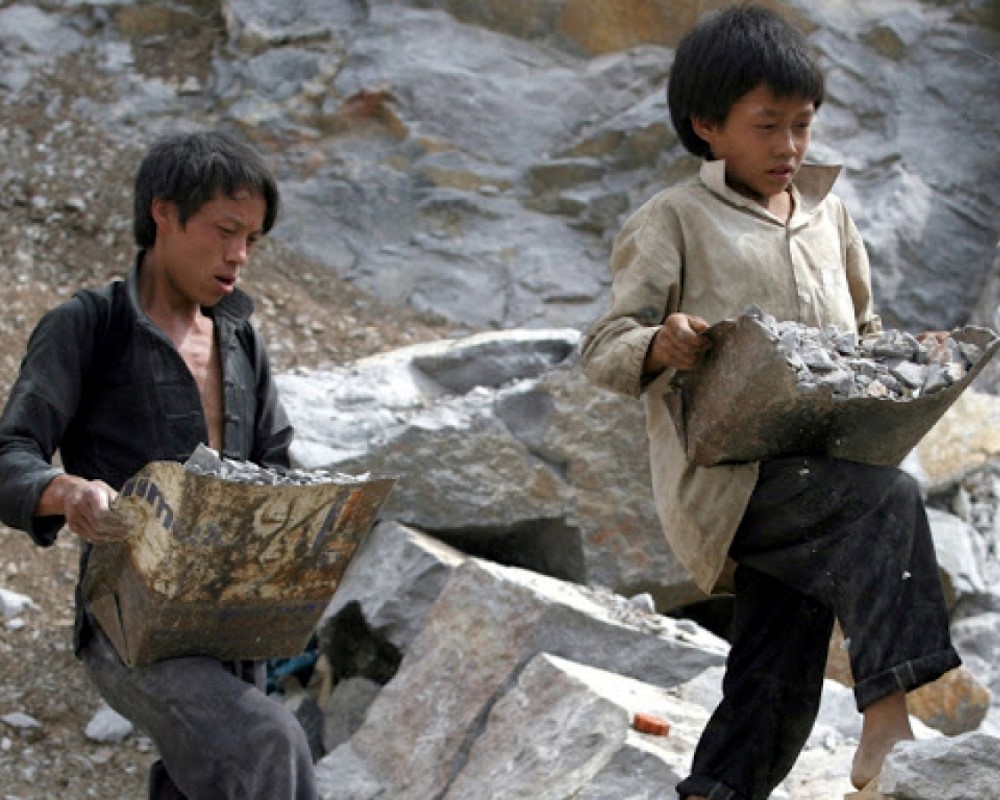
Forced or compulsory labour is widely condemned throughout the world. The Universal Declaration of Human Rights, adopted in 1948, first declared that “no one shall be held in slavery or servitude,” and the ILO has many conventions related to forced or compulsory labour, including:
The overwhelming majority of ILO member states have ratified the two principal conventions against forced labour. As of January 2016, 175 countries had ratified Convention 105 and 178 countries had ratified Convention 29.
According to the latest ILO estimates, 21 million people worldwide are trapped in forced labour conditions. Forced or compulsory labour includes any form of labour performed under threats of harm or punishment.
This includes human trafficking, debt bondage (labour required as a means of repaying debt), and more subtle forms of forced labour that compel workers to work against their will through various forms of threats. Similar to child labour, poverty is a major cause of forced labour.
These include debt bondage, slavery, human trafficking, and forced prison labour. According to the ILO, other indicators of forced labour include vulnerable conditions (such as poverty and hardship), deception (failure to fulfil verbal promises), geographic isolation, physical or sexual violence, and abusive working conditions such as forced overtime. All of these are prohibited under the SA 8000 standard.
The SA 8000 standard requires that all workers be fully informed about the terms and conditions of the proposed employment. They must cooperate voluntarily without being subjected to any penalties.
All of the following are strictly prohibited under SA 8000:
Among these, the retention of original documents is one of the most common issues found worldwide.
The explicit mention of human trafficking in the Standard aims to raise awareness and ensure that employers take proactive measures to avoid association with any labour provider or employer involved in trafficking. Any subcontractor may potentially engage in human trafficking activities.
Workers must be free to:
Therefore, organizations are responsible for paying any fees or costs associated with the recruitment process.
There are also other situations that may lead to debt bondage, such as when an organization lends money to employees who are unable to repay the debt on time based on their income. All such practices are prohibited under the SA 8000 standard.
The above are the sharing insights from Viện Chất lượng ISSQ regarding SA 8000 Certification – Clause on Forced or Compulsory Labour.
We hope this article provides useful information for you and your enterprise.
Viện Chất lượng ISSQ is always ready to accompany agencies and enterprises during the period of integration and development.
Please contact hotline: (+84) 981851111 or via email: vienchatluong@issq.org.vn | tcvn@issq.org.vn. We are honored to serve our valued customers!
Published date: 12/07/2023


