INSTITUTE FOR STANDARD AND QUALITY DEVELOPMENT STUDIES

Ensuring Food Safety with the HACCP System

18/02/2022


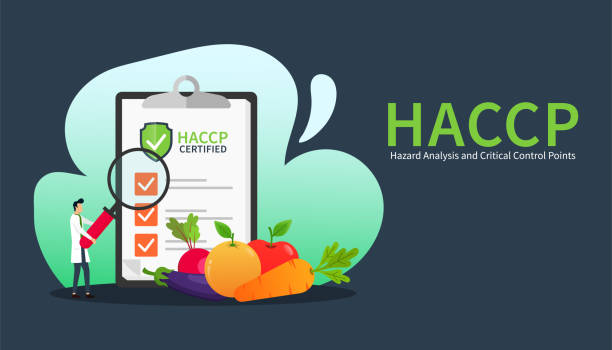
Today, the Hazard Analysis and Critical Control Point (HACCP) System plays an important role in ensuring food safety and quality and is applied worldwide, including in Vietnam.

HACCP System

Food hygiene and safety has become an urgent issue in daily life because it directly affects human health. The prevalence of contaminated food and food containing harmful substances poses significant risks to the health of individuals and organizations.

Therefore, the Hazard Analysis and Critical Control Point (HACCP) System is an effective method that helps organizations and individuals operating in the food sector identify potential hazards and ensure the safety of the products they provide.

HACCP stands for Hazard Analysis and Critical Control Point. It is a food safety management system based on the principles of hazard analysis and critical control throughout the food production process to ensure product safety for consumers.

HACCP is implemented worldwide and applies to all food and beverage manufacturing industries. On November 23, 2020, the HACCP Codex 2020 version was officially issued under reference number CXC 1-1969.

A hazard is any biological, chemical, or physical agent in food, or any condition of food, that has the potential to adversely affect human health. HACCP is a system used to identify, evaluate, and control significant food safety hazards, with a primary focus on prevention rather than finished-product inspection.

This system helps identify specific hazards and establish measures to control them in order to ensure food safety. It is also an effective tool for hazard assessment and the establishment of food safety control systems.

Applicable Organizations for HACCP

Organizations that may apply for HACCP certification include:

  • Enterprises engaged in the production and trading of food products, seafood, and animal feed.
  • Food processing facilities, industrial feed manufacturers, and export processing zones.
  • Food service establishments, hotels, restaurants, and other organizations involved in food-related activities.

Benefits of HACCP Certification at ISSQ Institute

No one can guarantee that food processing, manufacturing, storage, and preservation activities are completely free from risks that may compromise consumer safety.

HACCP helps businesses ensure food safety and improve food quality by identifying harmful factors and establishing preventive measures to eliminate or control such risks, thereby protecting consumer health.

In addition, the Hazard Analysis and Critical Control Point (HACCP) System provides the following benefits:

  • Enhances product quality and reputation.
  • Improves competitiveness and marketing effectiveness.
  • Serves as a prerequisite for enterprises to conduct self-declaration of quality standards.
  • Ensures food hygiene and safety.
  • Expands business opportunities and facilitates food import and export activities.
  • Demonstrates compliance with legal and regulatory requirements.
  • Serves as a basis for considering reduced inspection procedures for product consignments.

With the core philosophy of “Quality Creates Prestige”, ISSQ Institute is committed to delivering the highest quality services to its clients. The Institute not only supports customers throughout the certification assessment process but also continues to provide dedicated assistance after certification has been completed whenever customers encounter difficulties.

Businesses operating in the food industry need to implement appropriate measures to control hazards that may arise during production, processing, storage, transportation, and other related activities. This helps ensure that safe and compliant products reach consumers.

ISSQ Institute is always ready to accompany enterprises throughout their integration and development journey.

Please contact us via hotline: (+84) 981 851 111 | (+84) 24 2266 1111 or email: vienchatluong@issq.org.vn | tcvn@issq.org.vn

Publication Date: February 18, 2022


Share this post:

Related news

zalo