SA 8000 is based on the Universal Declaration of Human Rights, the United Nations Convention on the Rights of the Child, and a series of other conventions of the International Labour Organization (ILO). It is a social standard that contributes to the protection of labor rights, ensuring fairness and transparency in human resource management and business ethics across all organizations.
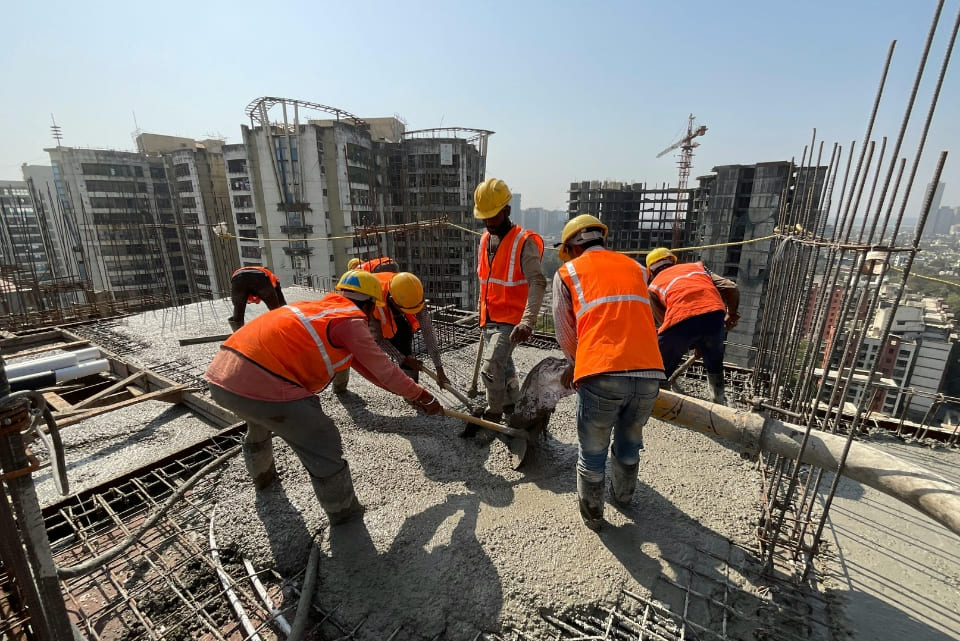
Main Contents of the SA 8000 Standard
- Child Labor: Organizations must ensure that they do not employ children below the legal working age and must protect children's rights to education and development.
- Forced Labor and Abuse: Companies must not use forced labor or apply any form of violence, coercion, or discriminatory practices.
- Health and Safety: All workplaces must meet occupational health and safety requirements, including fire prevention and protection measures, personal protective equipment, and waste management systems.
- Freedom of Association and Collective Bargaining: Employees are free to participate in labor unions and collective bargaining activities to protect their rights and interests.
- Fair Access to Employment: Companies must not discriminate against employees based on race, religion, gender, nationality, sexual orientation, marital status, or other personal differences.
- Fair Compensation: All employees must receive fair wages and benefits that comply with legal requirements and industry standards.
- Effective Management Systems: Companies must establish effective management processes and functions to ensure compliance with SA 8000 requirements.
- Working Hours: Working hours must comply with the labor laws of each country regarding normal working hours, overtime, and regulations applicable to female employees (during and after maternity leave and while caring for children under 12 months of age).
- Enterprise Management: This includes employer management responsibilities, workers' rights to file complaints, and management's obligation to respond to and resolve complaints.
- Community Relations: This includes relationships with organizations, authorities, and local communities within the area of operation.
Benefits of SA 8000 Certification
- Enhances Reputation and Credibility: SA 8000 certification demonstrates a company's commitment to international social and labor standards, thereby improving its reputation and credibility among customers, partners, and the wider community.
- Meets Customer Requirements: Customers are increasingly concerned about whether companies protect employee rights and provide favorable working conditions. SA 8000 certification helps organizations meet these expectations and attract socially conscious customers.
- Strengthens Human Resource Management: The standard encourages companies to establish effective management processes and systems, improving workforce management, reducing waste, ensuring safe and fair working conditions, and creating a positive work environment that attracts talented employees.
- Improves Work Performance: By ensuring strong social and labor practices, companies create a better workplace environment, increasing employee satisfaction and motivation. This can lead to improved productivity and sustainable business growth.
- Ensures Legal and Regulatory Compliance: SA 8000 requires organizations to comply with applicable labor and social regulations. Certification helps companies maintain compliance and reduce legal risks.
- Increases Support from Communities and NGOs: SA 8000 certification demonstrates a company's commitment to social responsibility and labor rights, thereby gaining support from communities and non-governmental organizations, including non-profit organizations, social investors, and international assessment bodies.
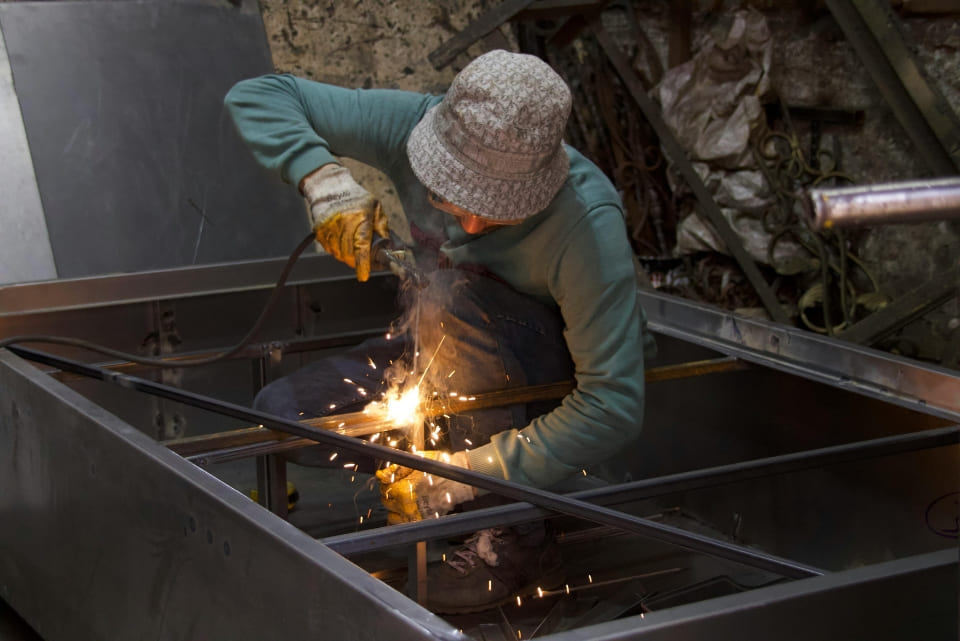
Organizations Applicable to SA 8000
SA 8000 does not restrict organizations based on size or scope. It can be applied to any company or organization worldwide, regardless of industry. It is particularly suitable for organizations seeking to strengthen their social and labor responsibility, including:
- Manufacturing companies
- Service providers
- Retailers
- Non-profit organizations
- Import-export companies
- And many other types of organizations
Implementing the SA 8000 Social Accountability Standard requires commitment in terms of time, cost, and human resources to achieve long-term effectiveness and value. In addition, guidance and assessment from experienced experts with deep knowledge of the standard and industry are essential.
The ISSQ Institute for Standard and Quality Development Studies is always ready to accompany businesses throughout their integration and development journey.
For further information, please contact:
We are honored to serve our valued customers.
Publication Date: September 11, 2023


