
INSTITUTE FOR STANDARD AND QUALITY DEVELOPMENT STUDIES


26/09/2022
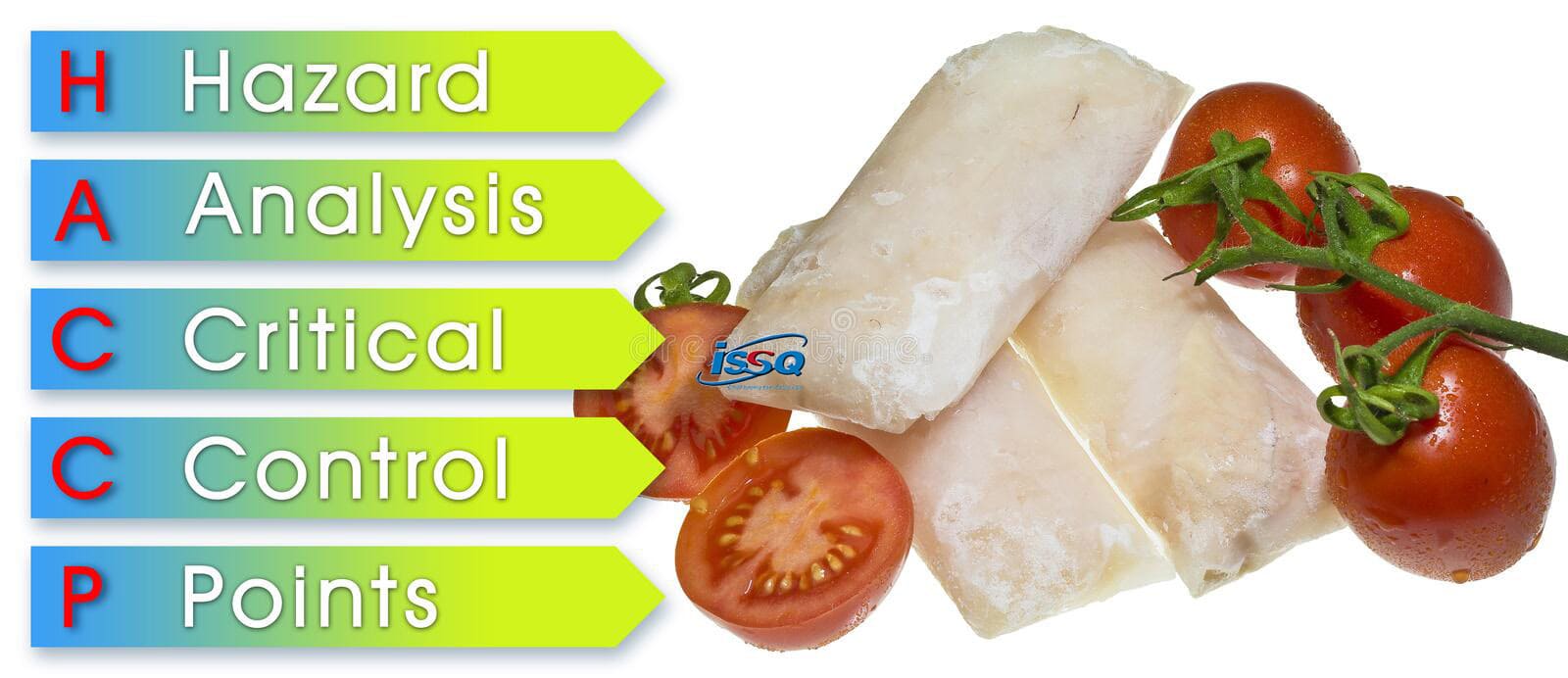
HACCP stands for Hazard Analysis and Critical Control Points. The HACCP standard is a quality management system standard in food safety. It is based on the analysis and control of critical hazards that may arise during the food production and processing activities of enterprises and organizations.
Potential hazards occurring in an enterprise's production process can generally be classified into three categories:
By identifying the type of hazard involved, enterprises and organizations can evaluate, determine, and subsequently implement appropriate control measures.
CCP stands for Critical Control Point. It refers to a step or stage within a food production and processing process.
Identifying CCPs helps determine specific points and stages where hazards can be controlled or eliminated. Examples of such stages include packaging, transportation, and processing.
A critical limit is a benchmark that helps ensure food production processes remain safe and produce quality products. It clearly distinguishes acceptable food safety levels from unacceptable ones.
This includes:
This is considered one of the most important principles in building a HACCP system.
Critical monitoring ensures that critical limits are consistently maintained and not violated. Monitoring activities are carried out through physical measurements, testing methods, or systematic observations.
Whenever a critical limit is not met, immediate corrective actions must be taken.
Corrective actions not only prevent unsafe food products from reaching the market but also help identify root causes and eliminate them to prevent recurrence.
The HACCP (Hazard Analysis and Critical Control Points) system must be verified to ensure that it effectively prevents hazards.
At the same time, products should be inspected to confirm that all activities are being implemented according to the established HACCP plan.
Organizations should establish and maintain all necessary documentation and records to demonstrate that critical limits have been met and that the system is being controlled according to plan.
The HACCP standard can be applied by all enterprises and organizations involved in any stage of food production and business operations.
This includes activities such as raw material preparation, manufacturing, processing, transportation, distribution, and direct supply to consumers.
Examples include:
Implementing the HACCP standard enables enterprises to build customer confidence and enhance their reputation in the marketplace.
Obtaining HACCP certification also facilitates negotiations and business transactions with domestic and international customers and partners.
In addition, HACCP helps increase revenue and serves as a foundation for enterprises to more easily adopt advanced food safety management systems such as FSSC 22000 and ISO 22000:2018.
The above information regarding the HACCP Standard – a quality management system standard for food safety – is shared by the ISSQ Quality Institute with organizations and enterprises.
The ISSQ Quality Institute is always ready to accompany businesses during the process of integration and development.
For further information, please contact:
We are honored to serve our valued customers.
Publication Date: September 26, 2022


