INSTITUTE FOR STANDARD AND QUALITY DEVELOPMENT STUDIES

HACCP

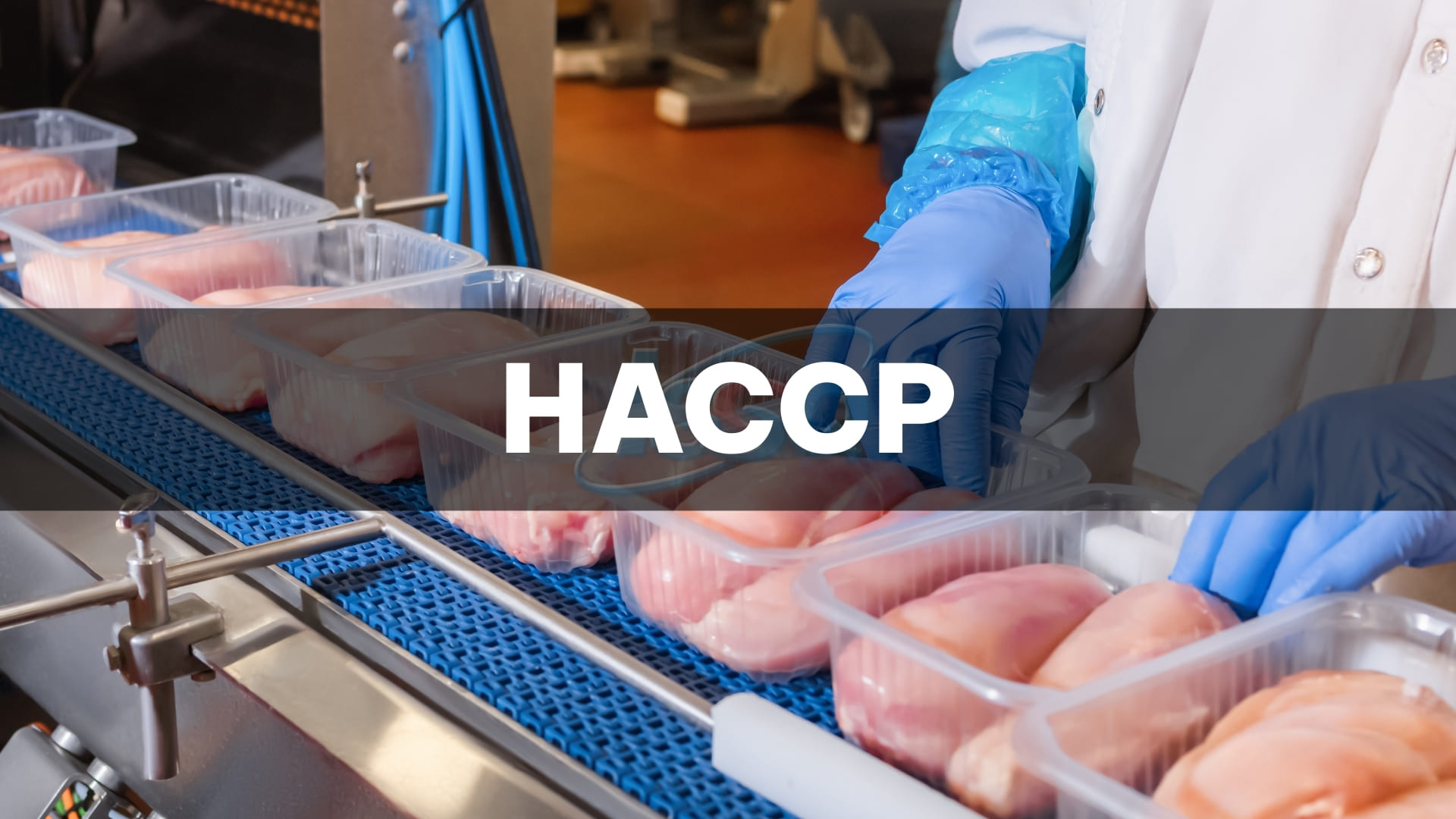
HACCP Standard - Hazard Analysis and Critical Control Points provides a framework of general principles for producing safe and suitable food for consumption by outlining the necessary hygiene and food safety controls to be implemented in production (including primary production), processing, handling, preparation, packaging, storage, retail, catering service operations, and transportation of food, and where appropriate, specific food safety controls shall be applied at certain points throughout the food chain.


Benefits of Implementing HACCP Certification – Hazard Analysis and Critical Control Points System

HACCP (Hazard Analysis and Critical Control Points) is an international food safety management standard that focuses on risk management, assessment, and control of food-related hazards throughout production, processing, and distribution.

HACCP Certification and Implementation Process in Food Safety

For the food industry, HACCP certification supports good manufacturing practices and hazard analysis to ensure food safety, hygiene, and product quality.

HACCP Certification – Hazard Analysis and Critical Control Points

For the food sector, the production and trading of food products in accordance with good manufacturing practices, combined with hazard analysis to ensure food hygiene and safety, can be supported through HACCP certification.

HACCP Certification – Hazard Analysis and Critical Control Points

HACCP stands for Hazard Analysis and Critical Control Point. It is a food safety and hygiene management system based on the principles of hazard analysis and critical control throughout the food production process to ensure consumer safety.

Certification Process


Connect with us

Please leave your contact information so we can provide you with a quote.

Phone No: 0981851111

zalo